Camera Obscura #
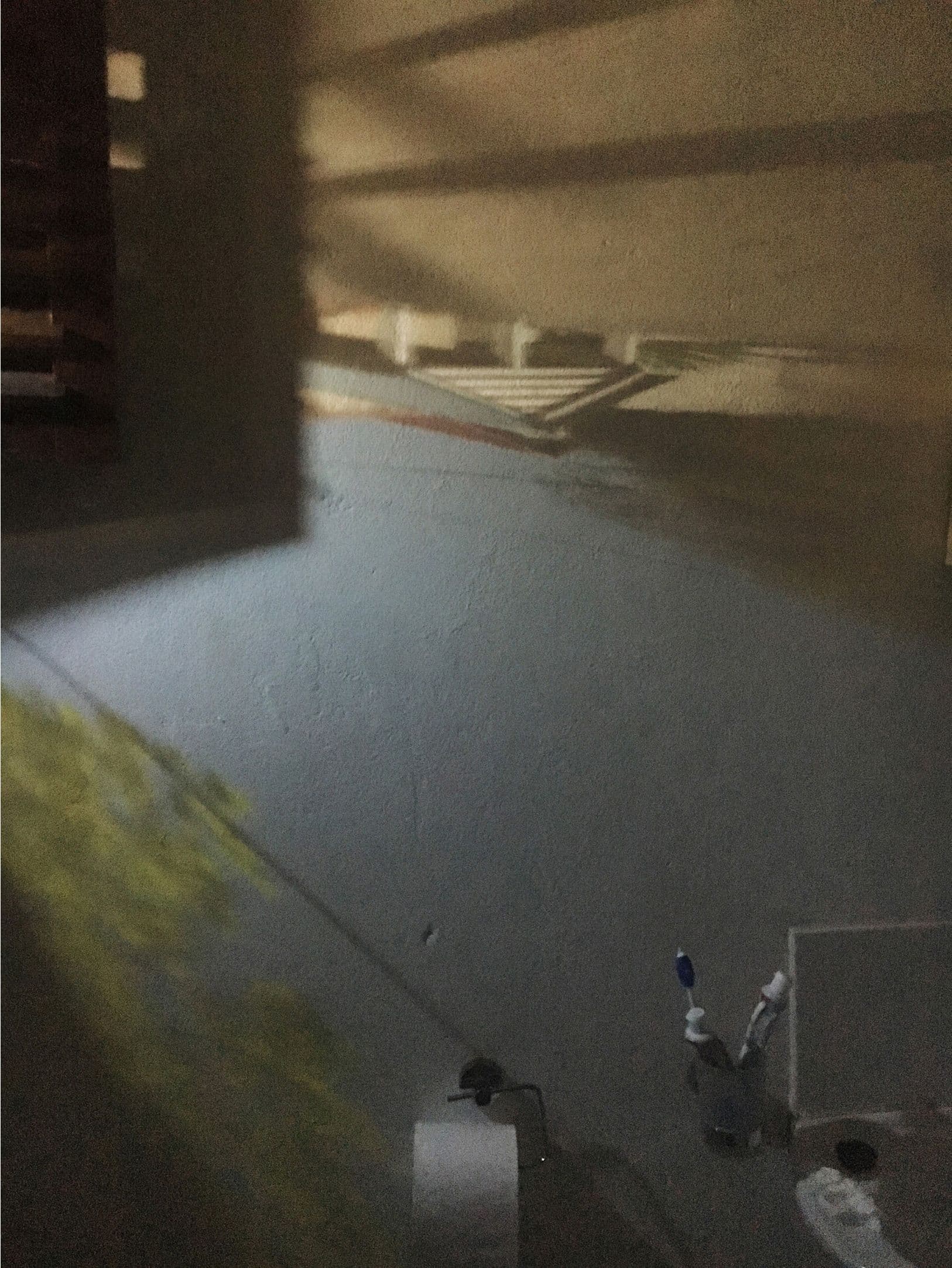
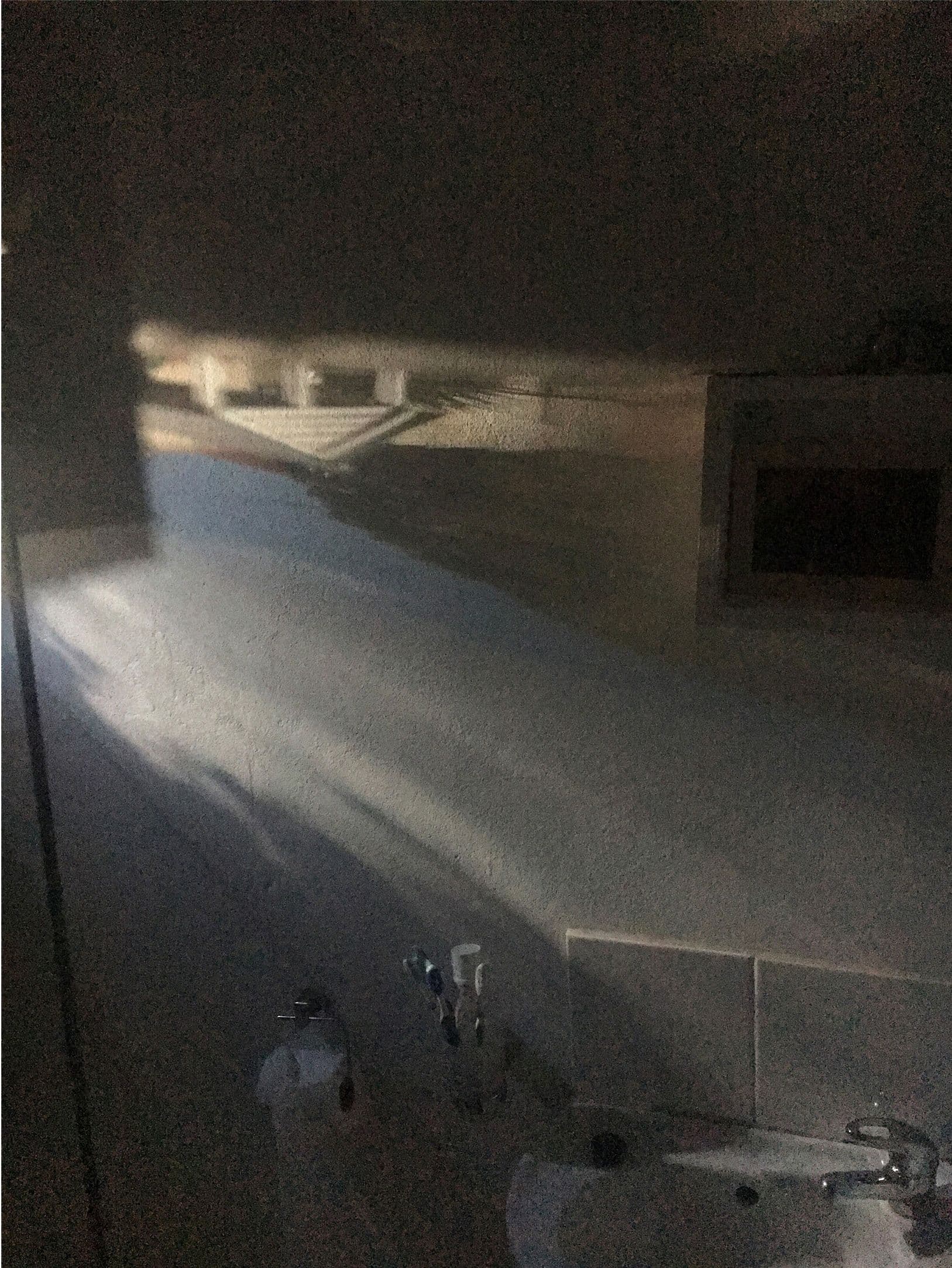
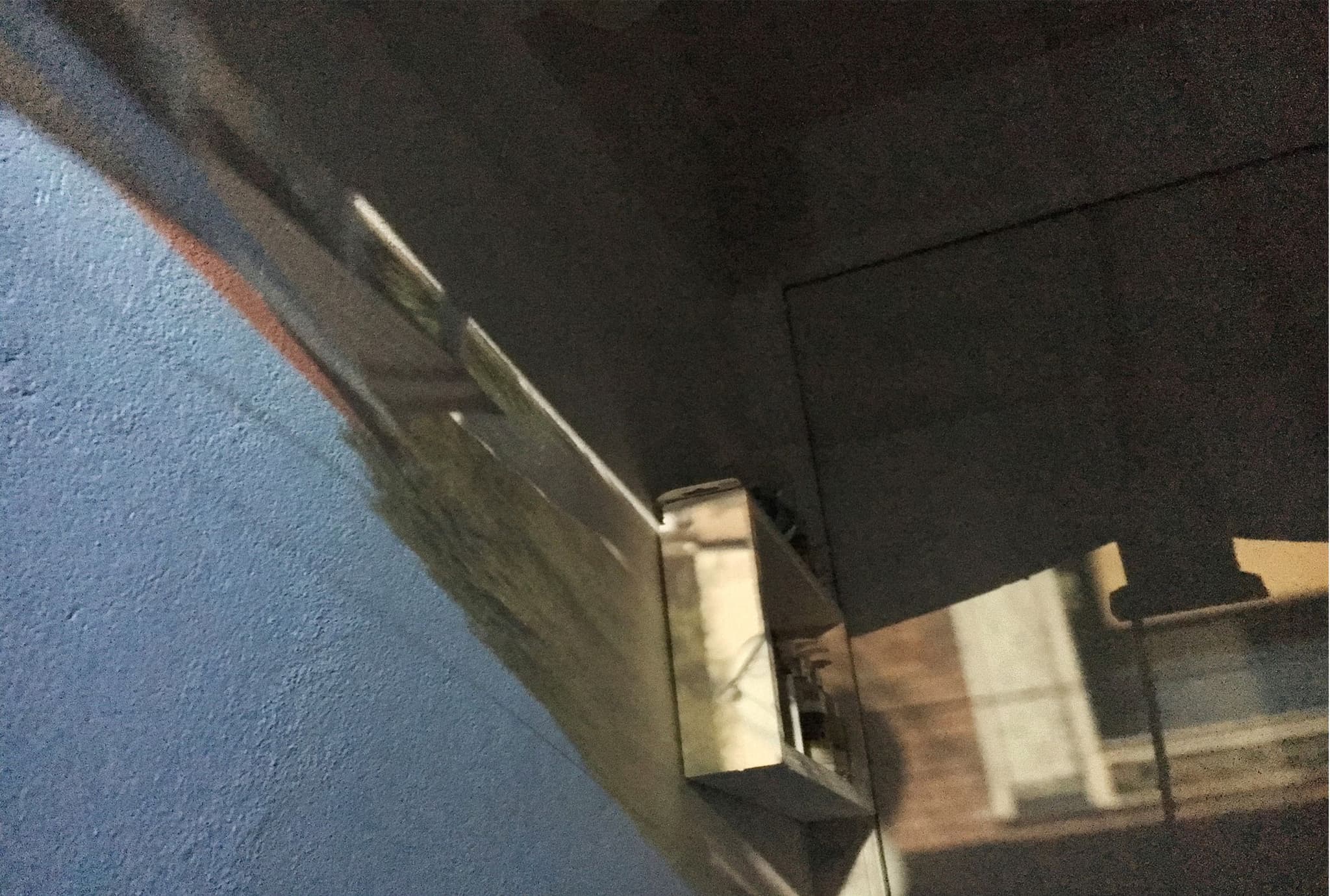
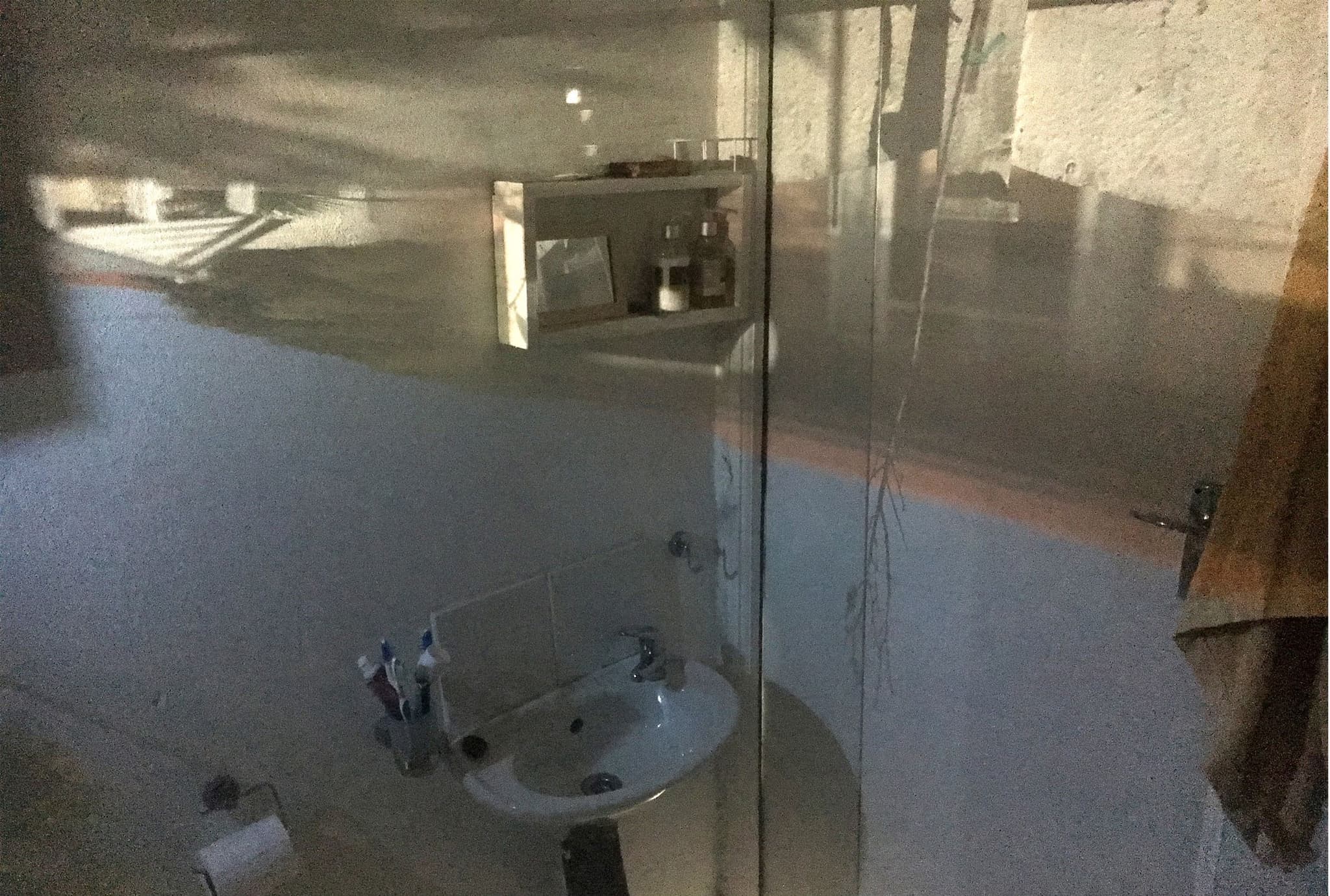
The camera obscura works find their genesis in my thinking around the wider photographic practices that have become dominated by the idea of the photographs, a portable image object whose function as evidence and its veracity as a representational device obscures the wider mysteries of the photographic scale. After years of frustration with the dominance of formidable scholars such as Susan Sontag within the wider discussion of photography, I began to think about the camera obscura as conceptualised by 10th century Arab scientist and mathematician Alhazen, whose thinking about light and vision lay the foundation for the camera we know today. I was particularly excited by this view’s emphasis on the idea of a camera as a space housing a body. This idea foregrounds some thinking I have about a Diane Arbus quote that pointed out that there are things no one would ever see unless she photographed them, emphasising her situatedness as the key ingredient of her photographs. This idea had placed her at the centre of her photographic practice instead of the audience envisioned by a documentary impulse of showing at the expense of seeing. In my mind Arbus’s quote was not about her photographing to show others, but rather engaging in seeing and using the camera to record what she was seeing, which could then be seen by others.
The actual works that developed from this thinking on the camera obscura is mediated by a fascination with a type of magician popular in Bolobedu and the wider southern African region. The stories talk of a doctor who could ferry a group of a hundred illegal migrants from Mozambique to South Africa through the highly guarded Kruger National Park without anyone seeing them. You would often hear stories of a group of game rangers seeing a herd of buffalo only to realise later that the footprints were human. Such trickery was also used in farms where thieves would see a field full of snakes when coming to steal maize. Such idea around manipulating visions often made me wonder how such magic might manifest photographically. The camera obscura is also prompted by my engagement with a rumour of a dream by a Lobedu person while they were in Berlin, Germany in 1897. Such a rumour led me to the practice of dreaming as a process of physically occupying a visual space where the objective is not to remember and represent what one sees in their dreams, but to occupy the dream long enough to comprehend what one was seeing, again putting the body back at centre stage of an infinite visual scale.
The camera obscura explores how one might comprehend the photographic and the visual scale, reminding oneself and understanding the visual or the image as an infinite input not bound by time–a perpetually evolving image.
Works in the Camera Obscura Works include camera obscura #1 ‘Toilet’ (2015), camera obscura #2 Kheipone (2016) at the Wits Art House in Johannesburg, camera obscura #3 Projections (2016) at A4 Art Foundation in Cape Town, and camera obscura #4 Refusal to Allow Mediation (2016) in the wall of the old city in Jerusalem, Israel. Camera obscura #0 which is in the planning stages is envisioned as a public art initiative installed in the Bolobedu Village of Khetlakong (Mefakeng) and Ga-Sekgopo (Thabana ya Dafida)
Camera Obscura #0
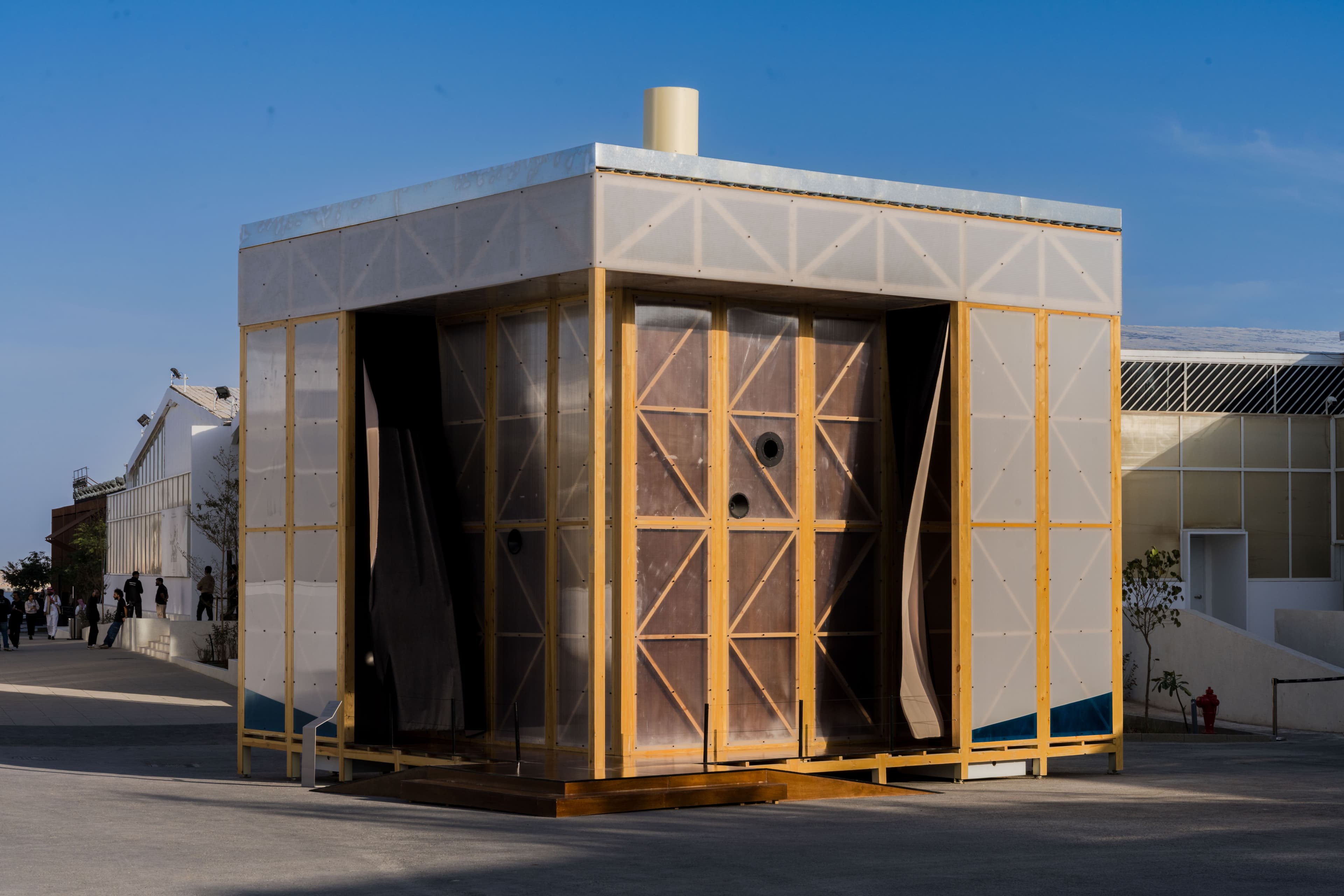
Pavilion Prototype 2: U406.
Pavilion Prototype 2: U406. Iziko Bertram House, Cape Town. (8 April 2023 to 30 February 2024)
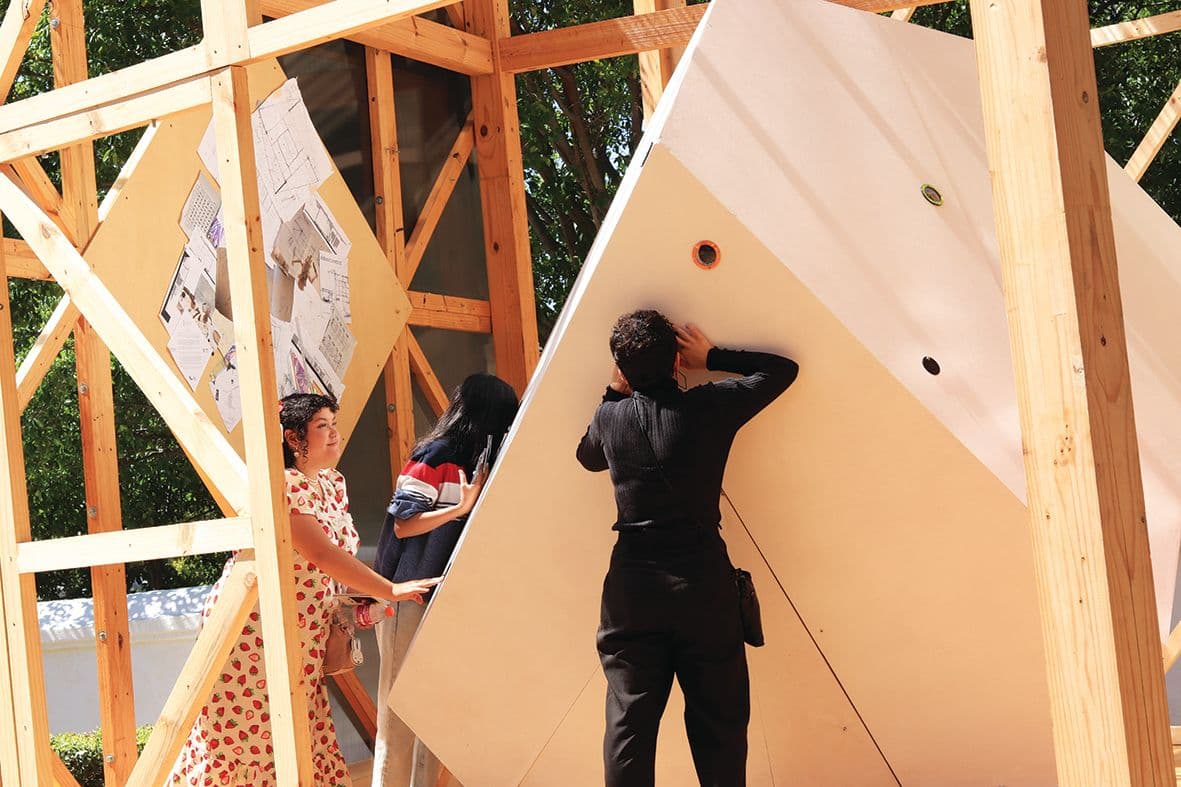
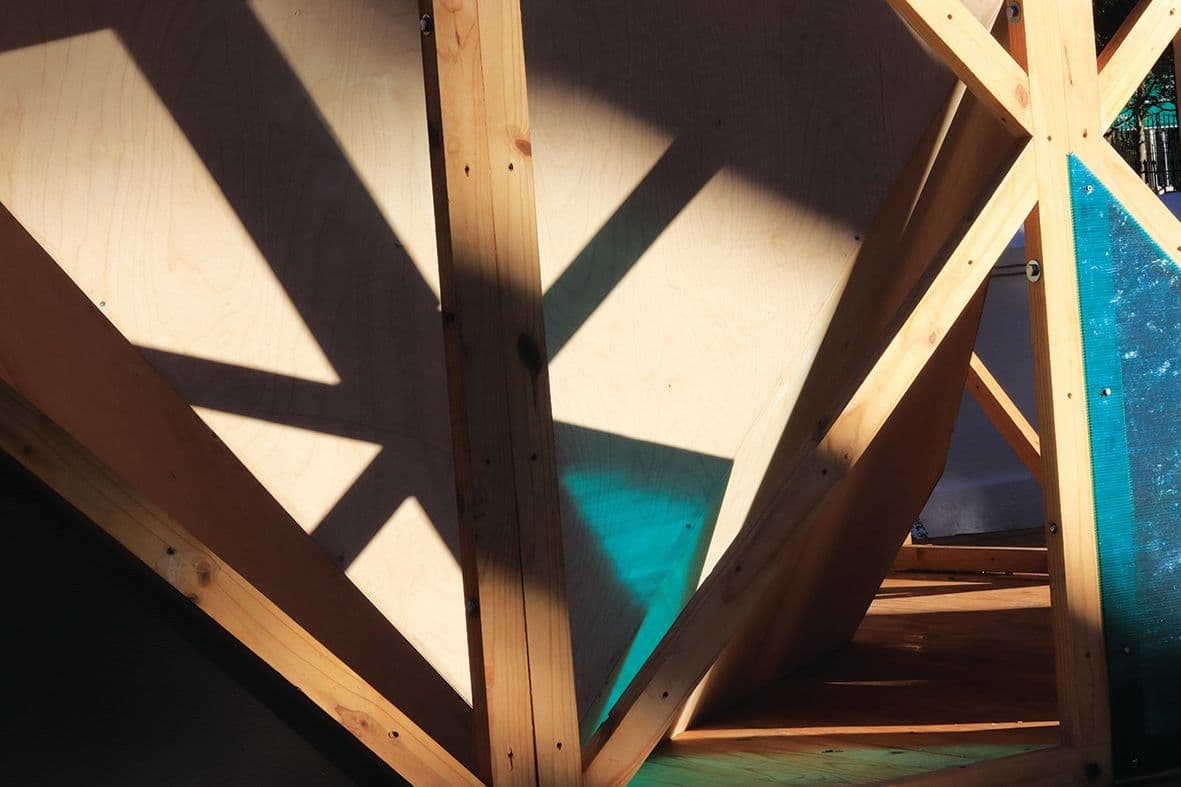
Pavilion Prototype: U406 confronts a persistent architectural dilemma: can we transform the colonial museum while remaining confined within the very buildings designed to marginalize us? Navigating rigid heritage laws and institutional stagnation, this site-specific intervention at the Iziko Bertram parking lot shifts focus away from standard institutional critique toward the radical act of physical construction. Anchored by a catalogued Msinsi tree, the timber structure evolves into a functional camera obscura. It serves as an open sanctuary for public pause, rehearsal, and spontaneous creative intervention.
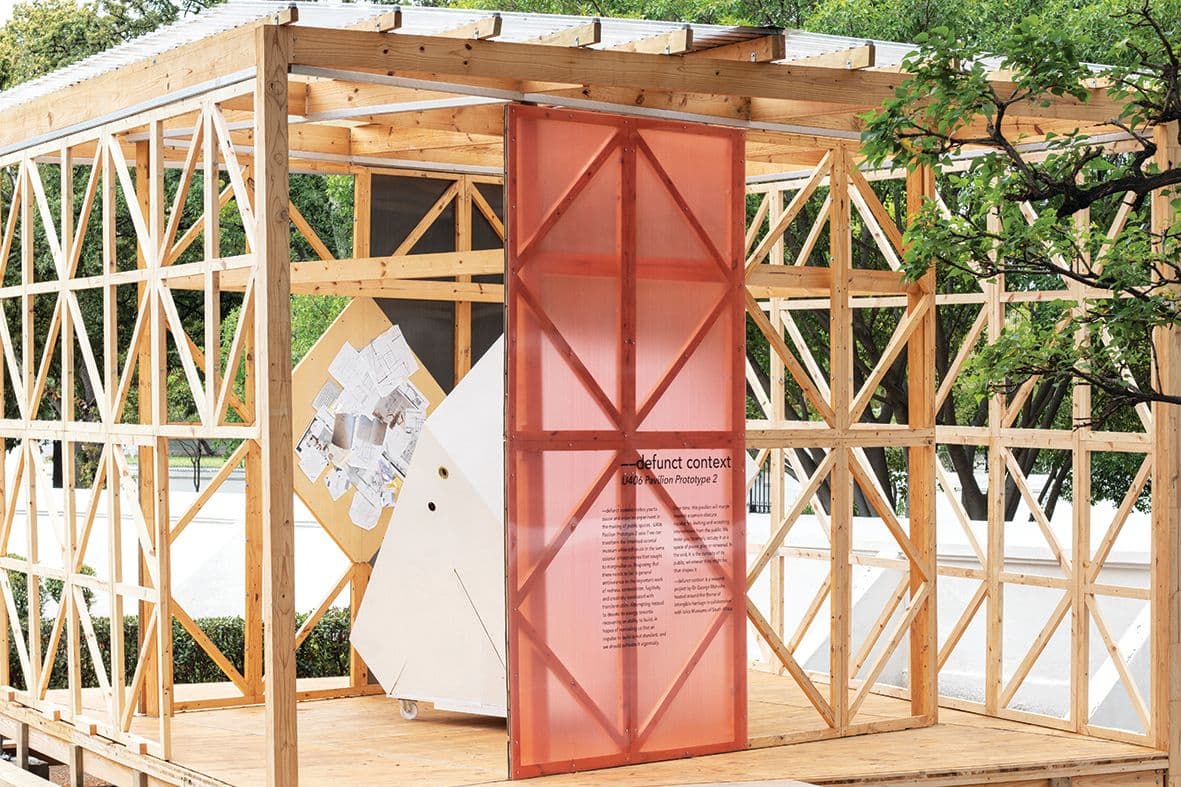
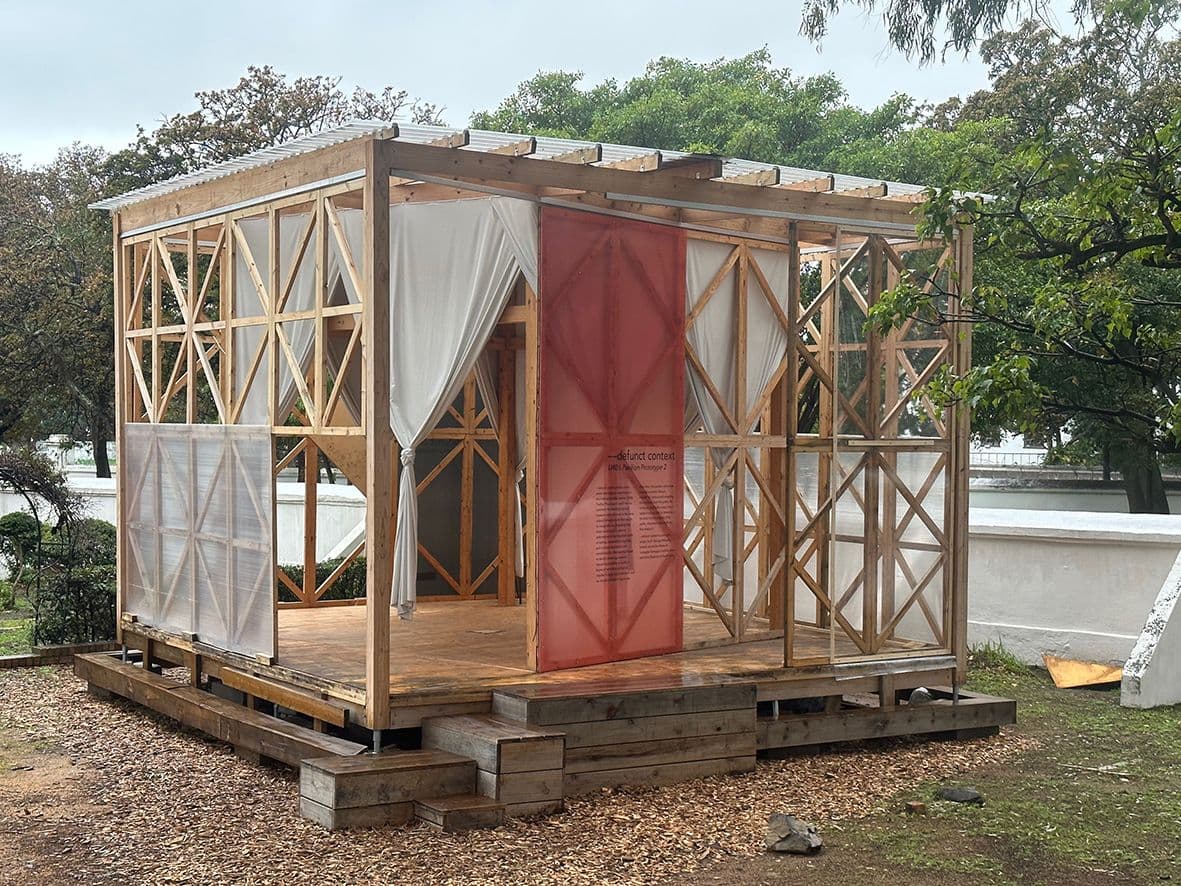
Can we transform the colonial museum while still stuck in the same old building that sought to marginalise us?This is an old question with many answers, ranging from a hard “No”, to the nostalgic “they are such lovely buildings” all the way to “it’s complex”. This question is particularly hard when one factors in heritage laws that essentially protect such buildings, and the reality that most of its budget is taken up by its upkeep.
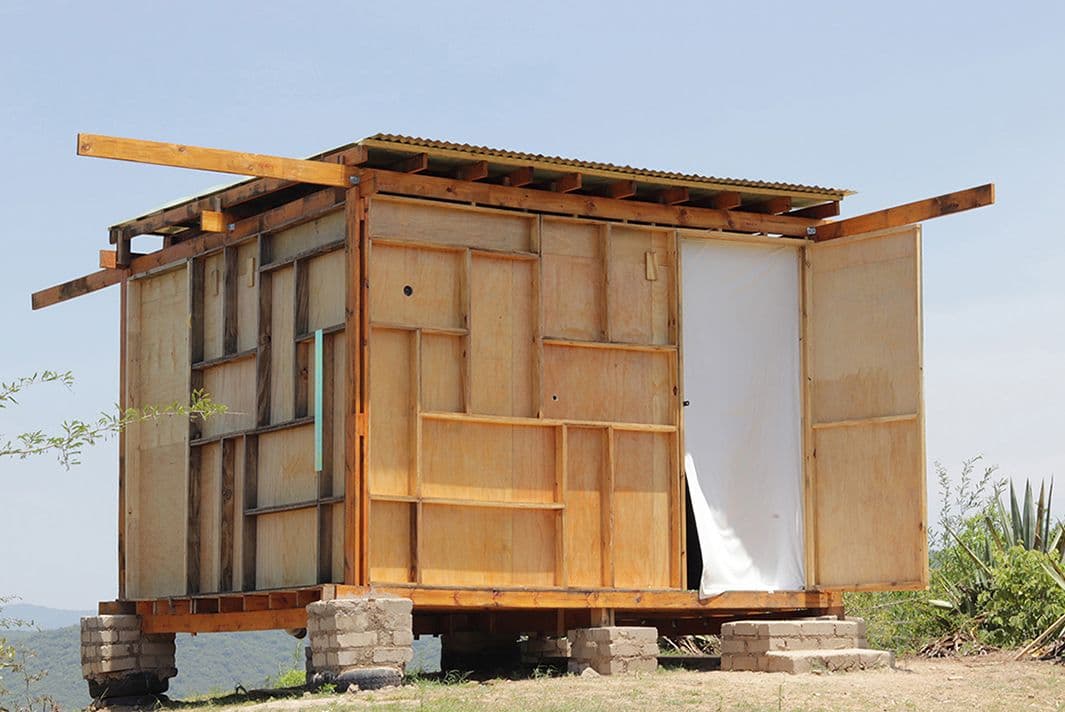
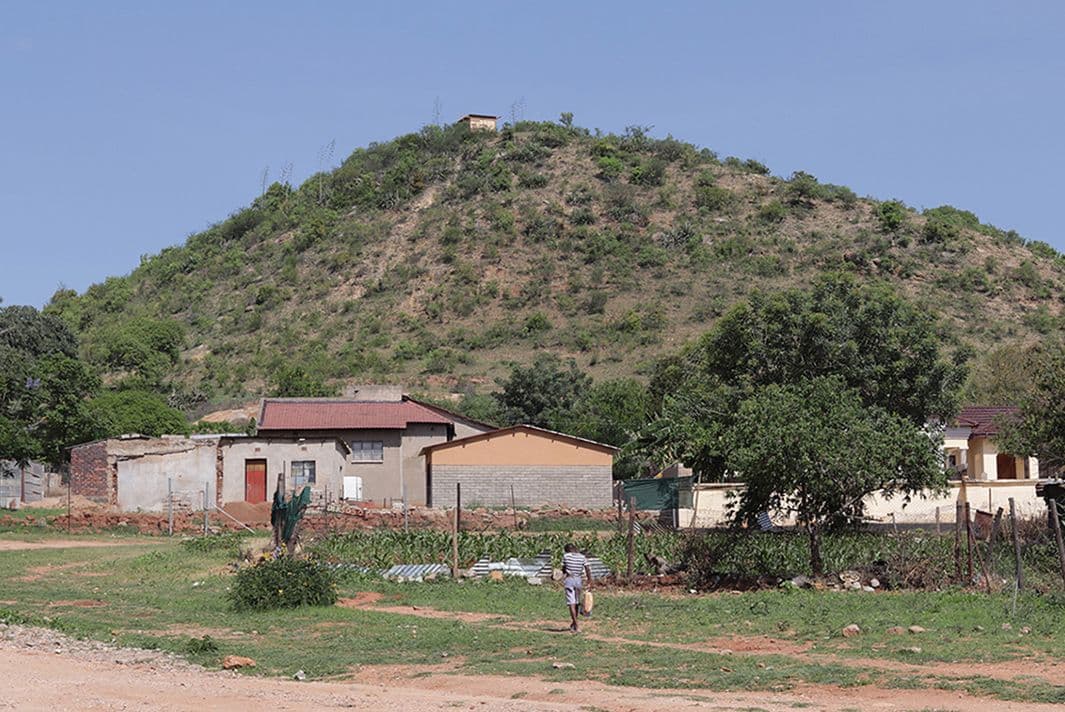
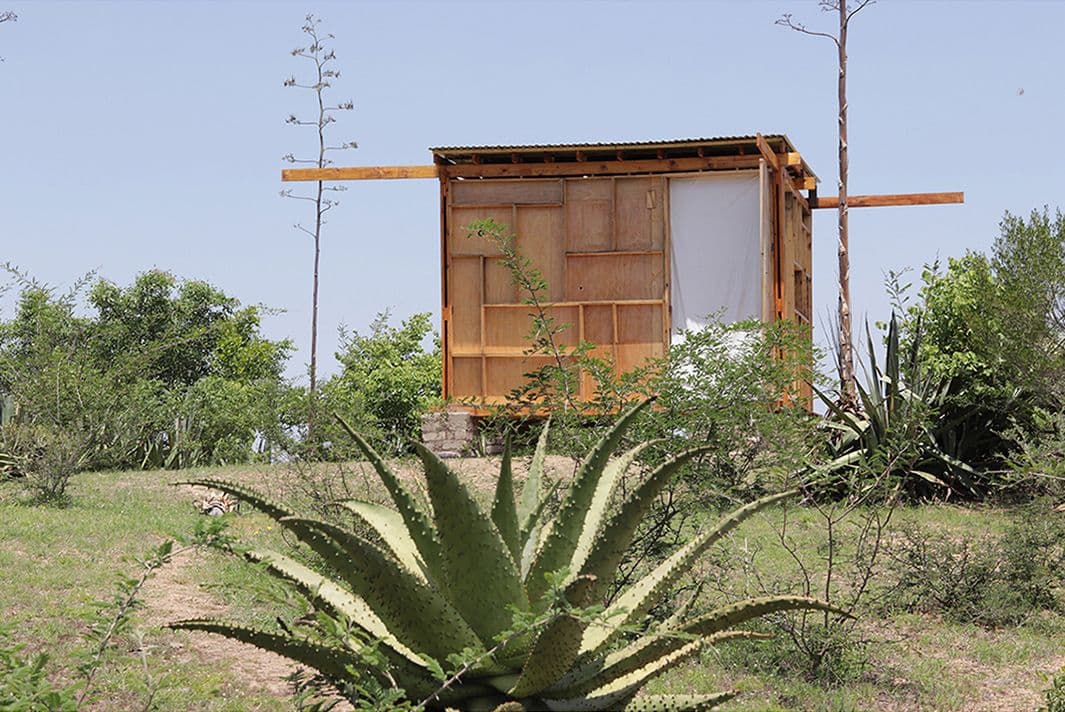
U406 , now at Iziko Bertram Parking lot, and its previous iterations like Thabana ya Dafida, proposes ambivalence to the important work of redress, contestation, fugitivity and creativity. It attempts instead to ask “what kind of space do I want?” and devotes its energy towards recovering an ability to build period. To recognise that it is only by building new buildings, that new types of expressions can flourish. —defunct context hopes to remind us that an impulse to build is not standard, and we should cultivate it vigorously.Taking advantage of art’s use of the format of a Pavilion; the ease of working timber; and the liminality of a parking lot. —defunct context takes the Msinsi tree, catalogued U406 as an anchor point, acknowledging its many associations, like new beginnings, fire, and more interestingly, a final resting place for dingaka.
Over the next months the pavilion will morph towards a camera obscura installation, inviting and accepting interventions. From simply occupying it as a space of pause, play or rehearsals; an artist studio and so forth. At the end it is the curiosity of its public, whoever they might be, that shapes it.
Thabana ya dafida
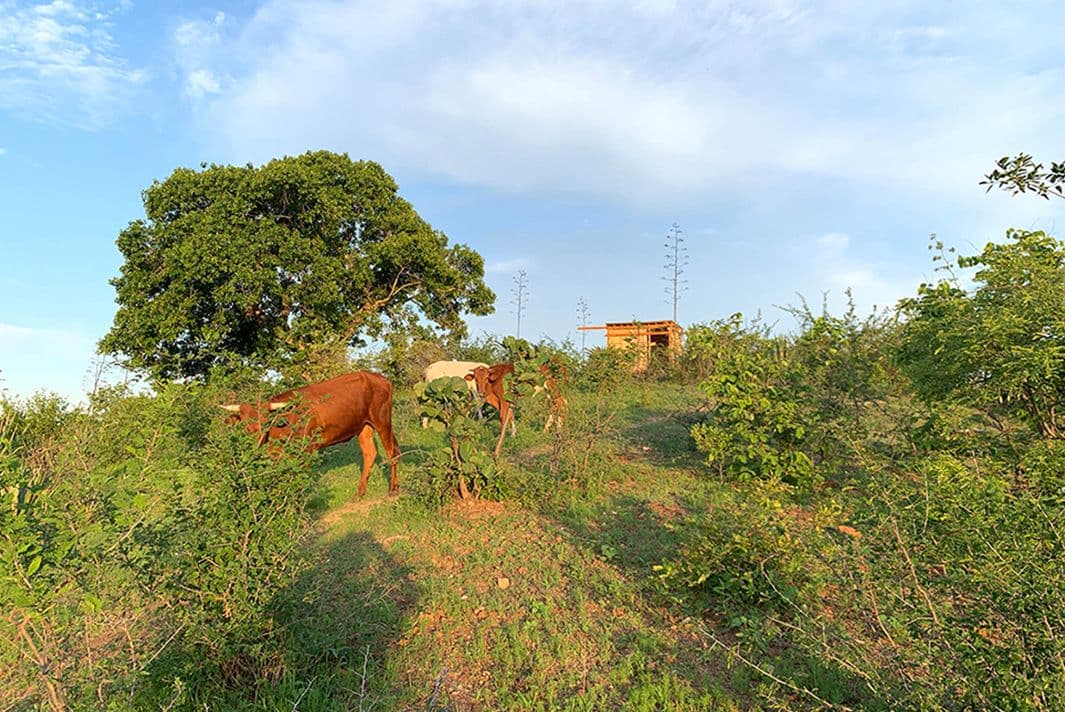
mafadi defunct
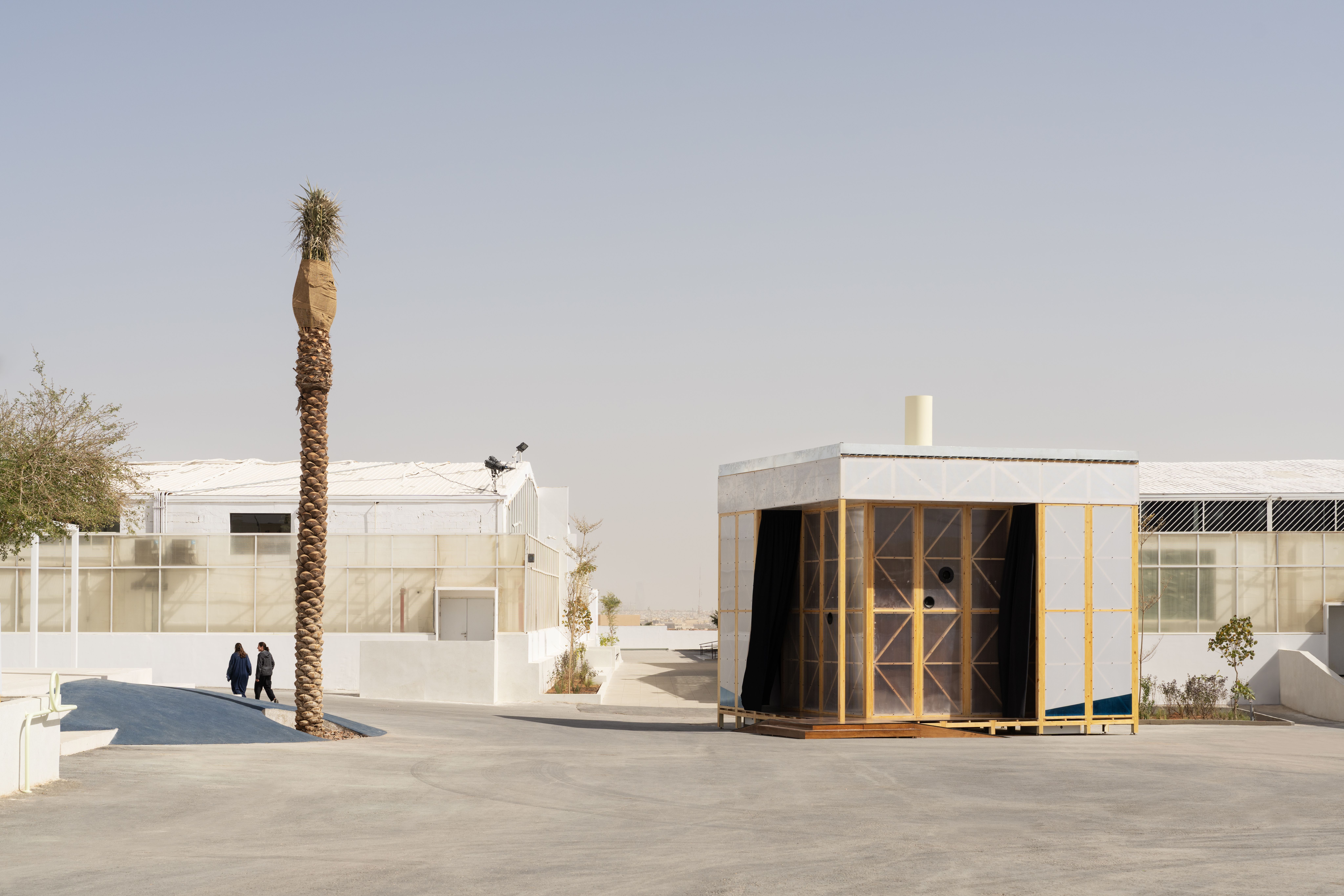
Courtesy of the Diriyah Biennale Foundation, photo Marco Cappelletti and Giuseppe Miotto
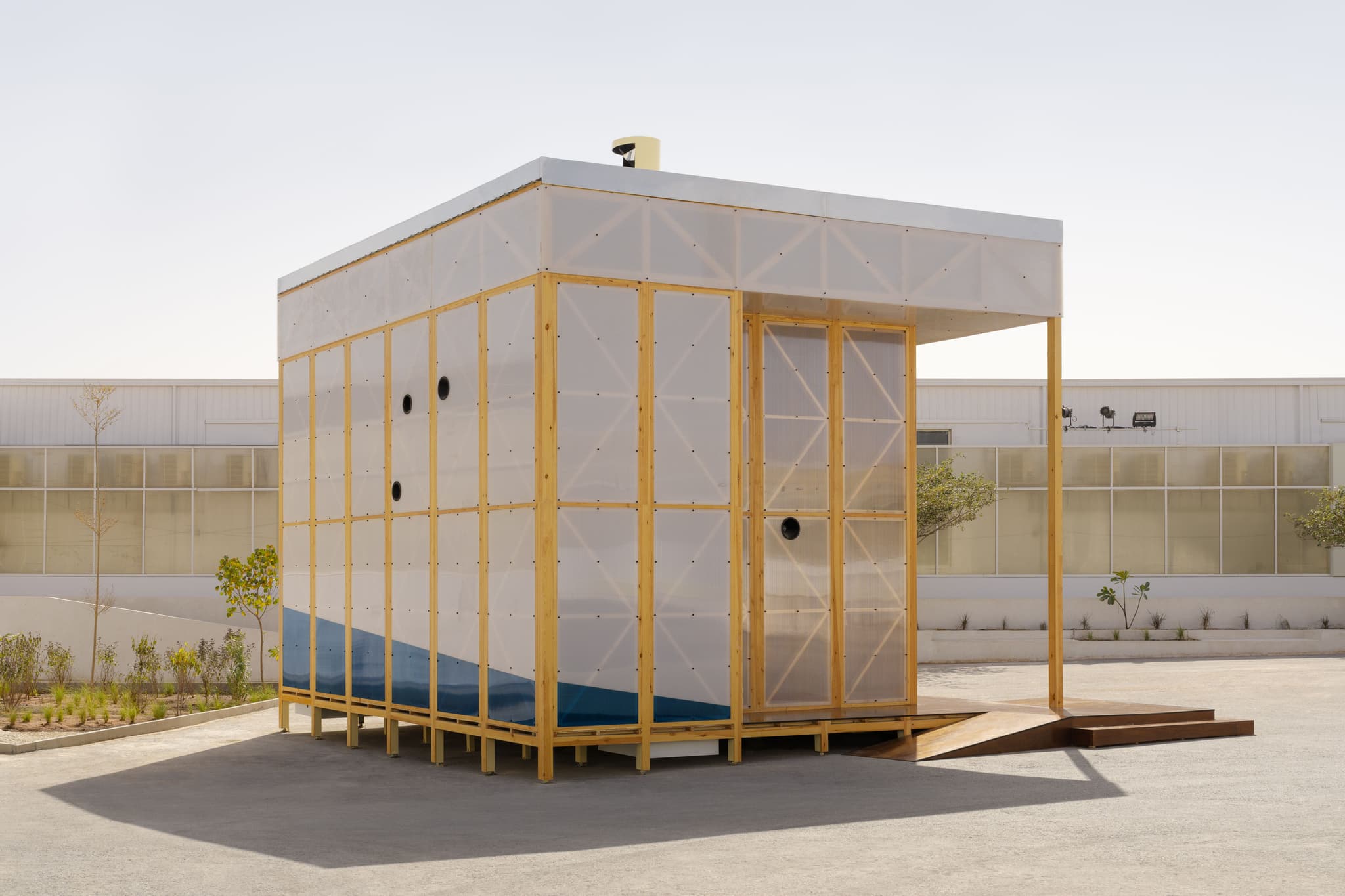
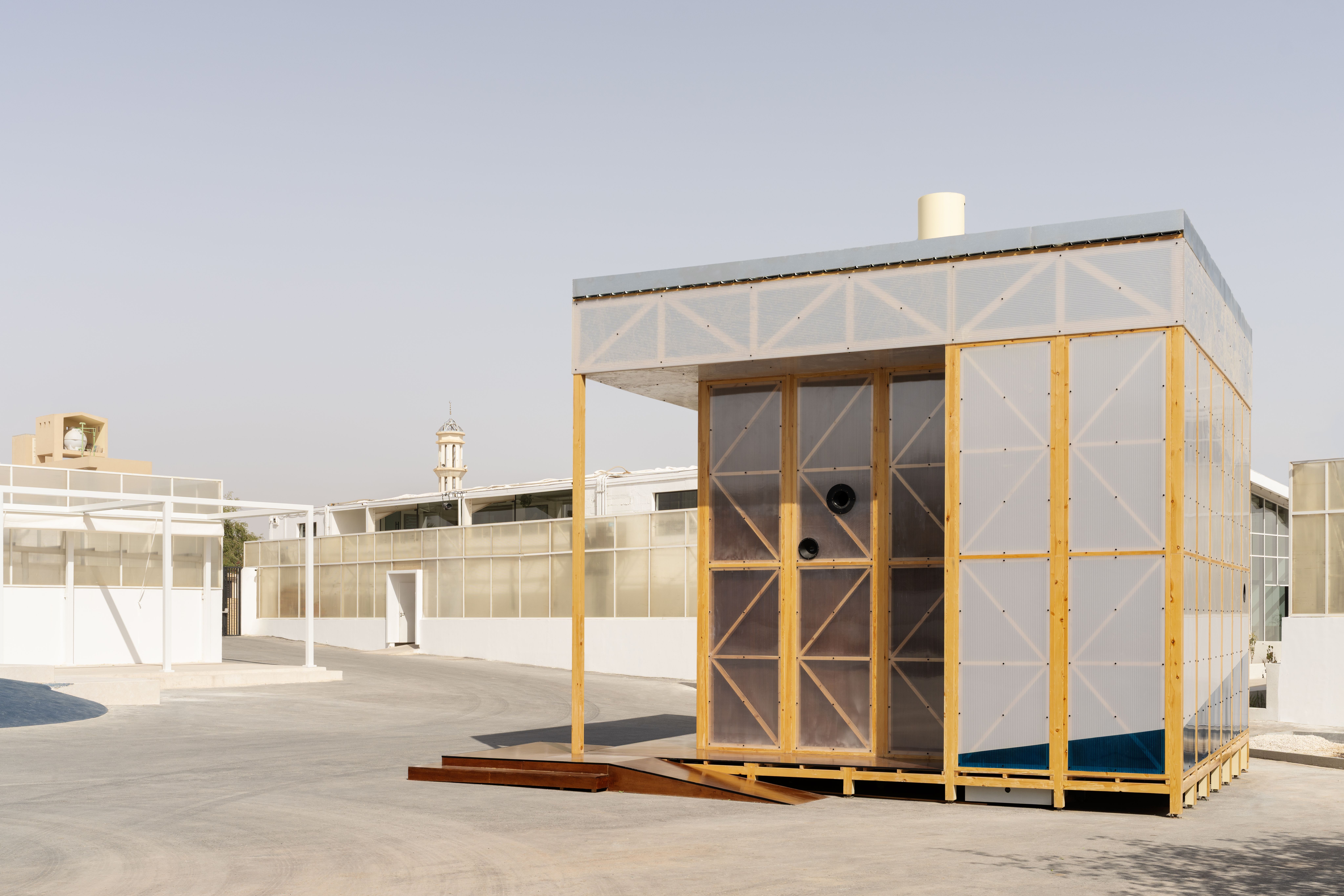
Camera Obscura #7
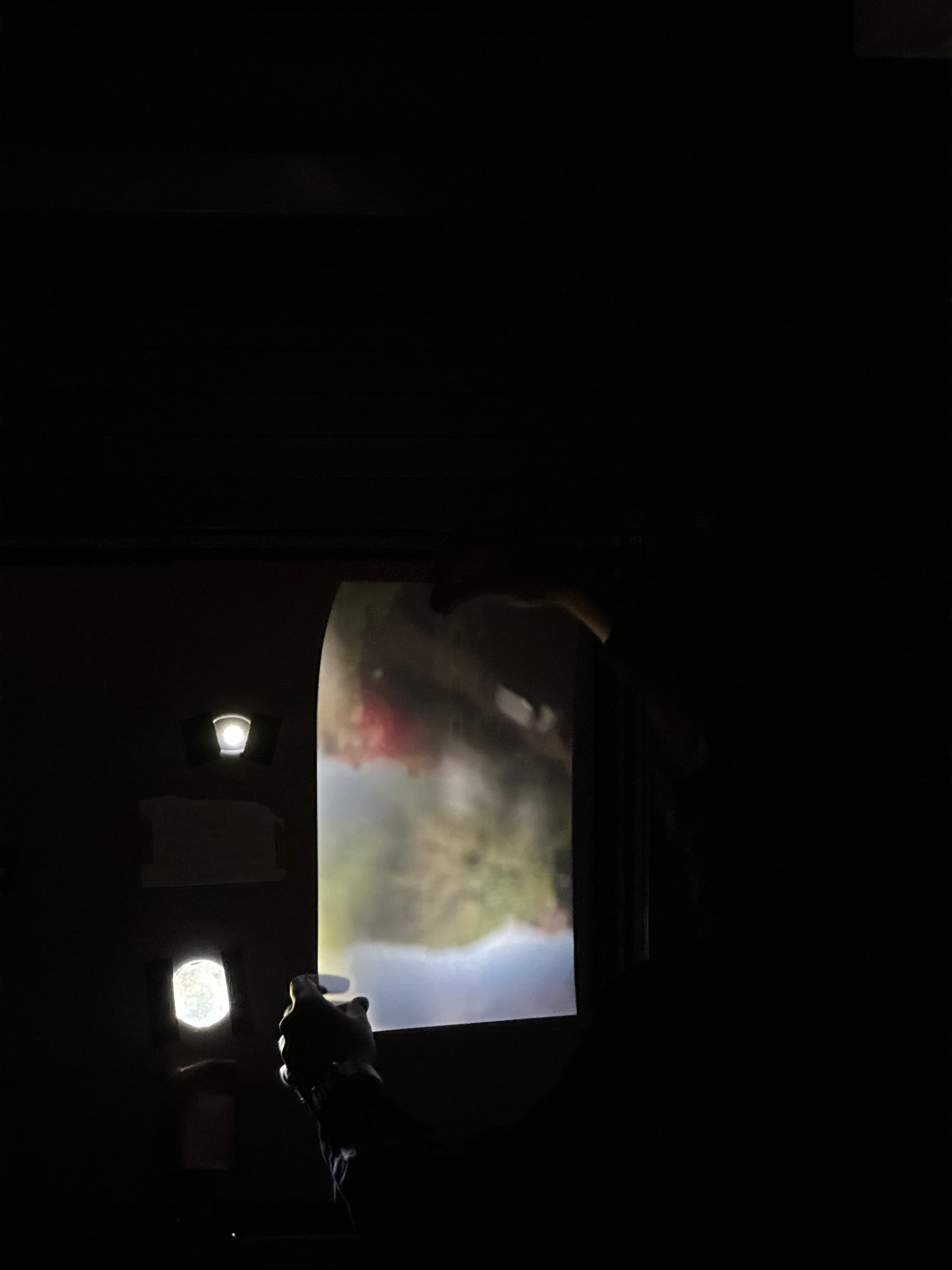
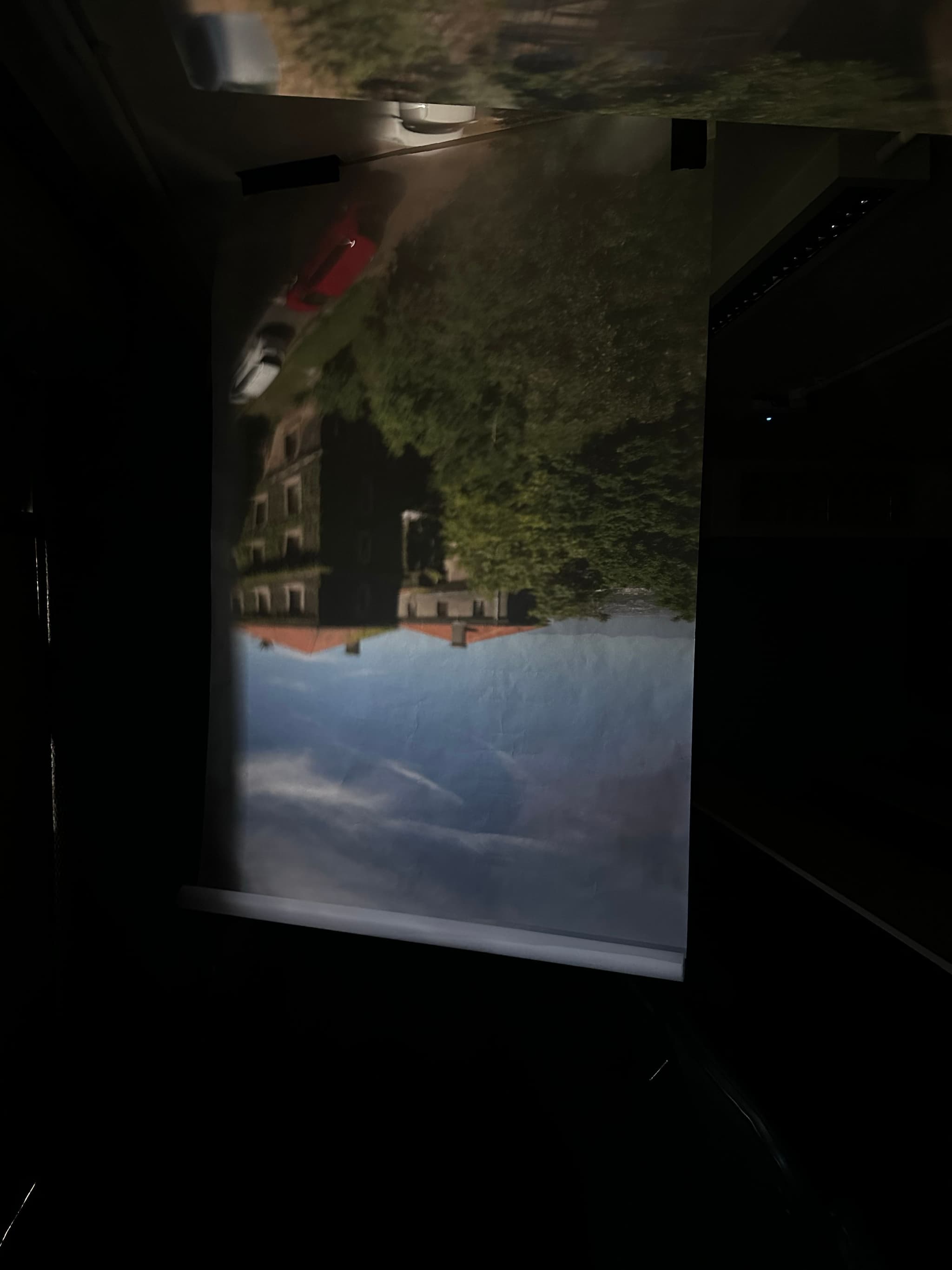
Camera Obscura #6 Dream Me a Dream
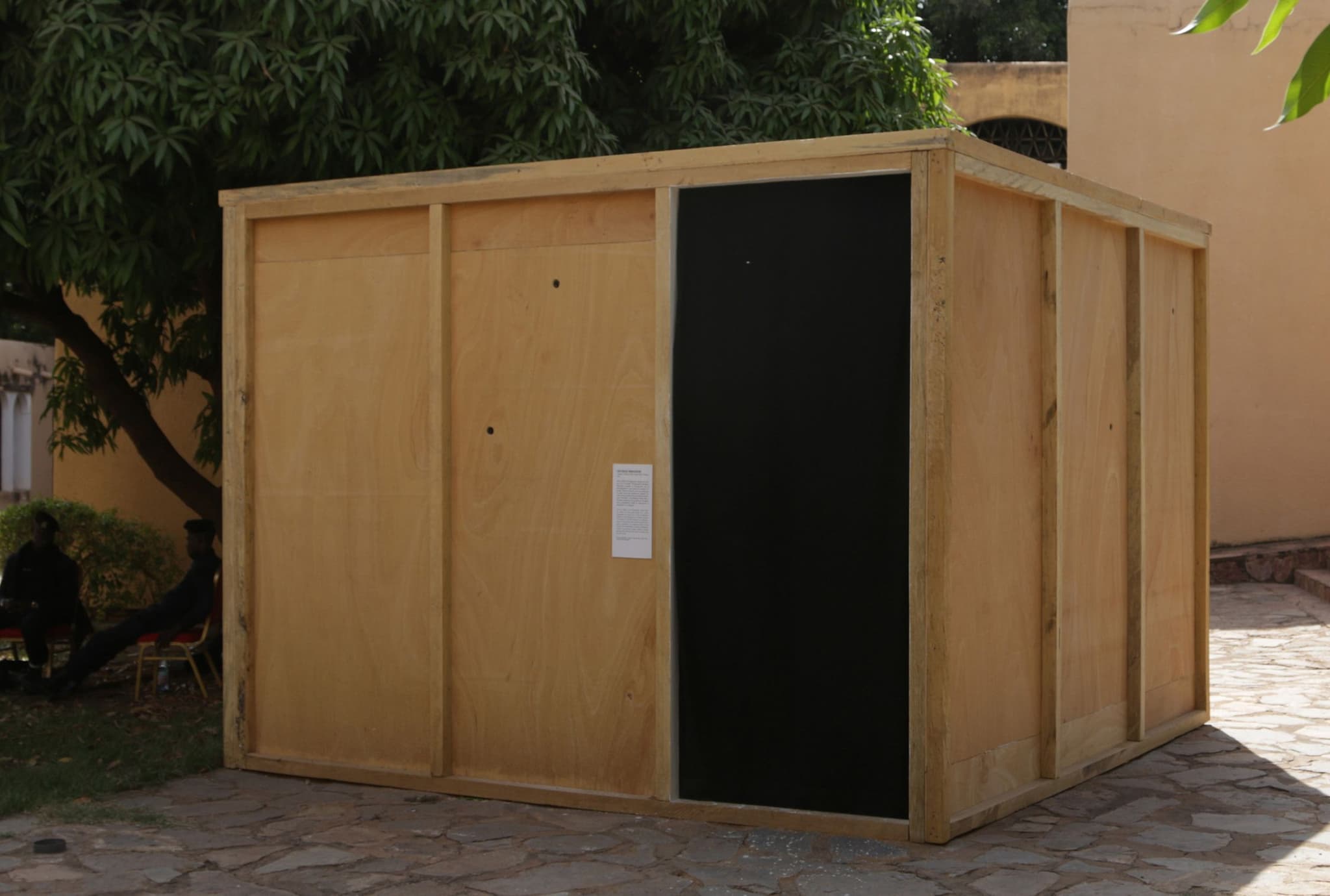
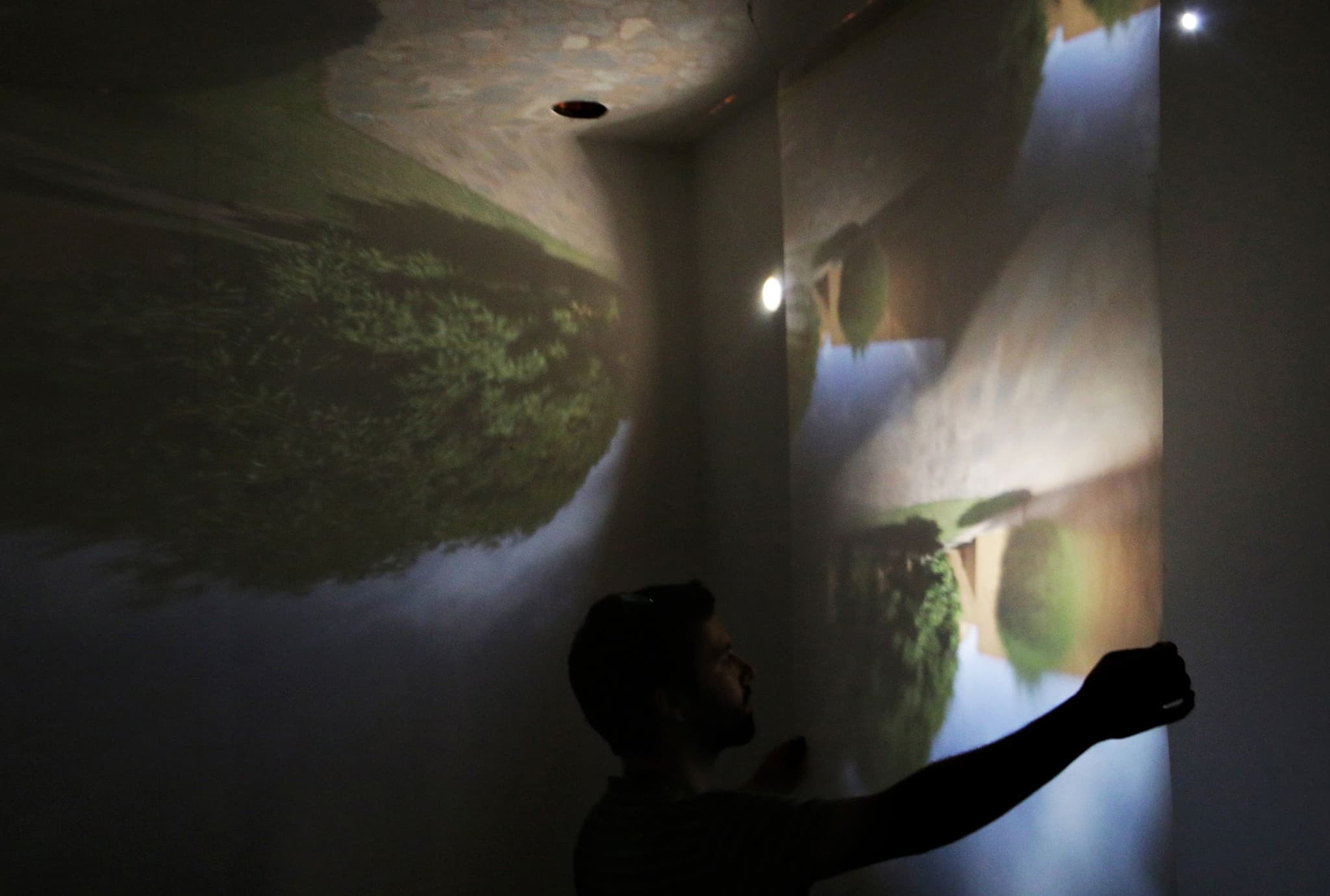
Camera Obscura #6 Dream Me a Dream, 2017, installation view at the 11th Bamako Encounters, Afrotopia, Bamako
Camera Obscura #5 A Character's Quest
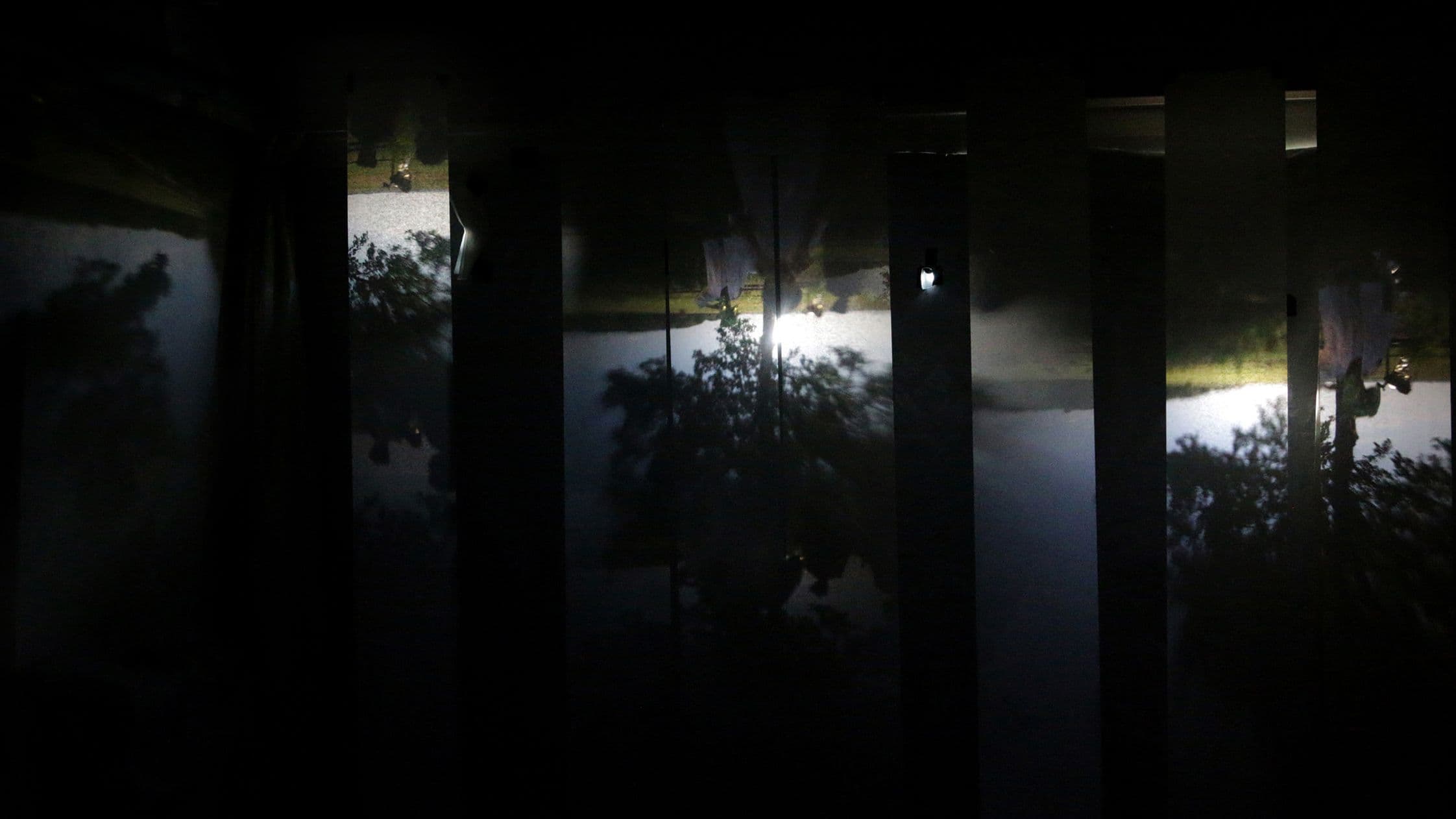
Camera Obscura #5 A Character's Quest, 2017, installation view at Künstlerhäuser Worpswede, Germany
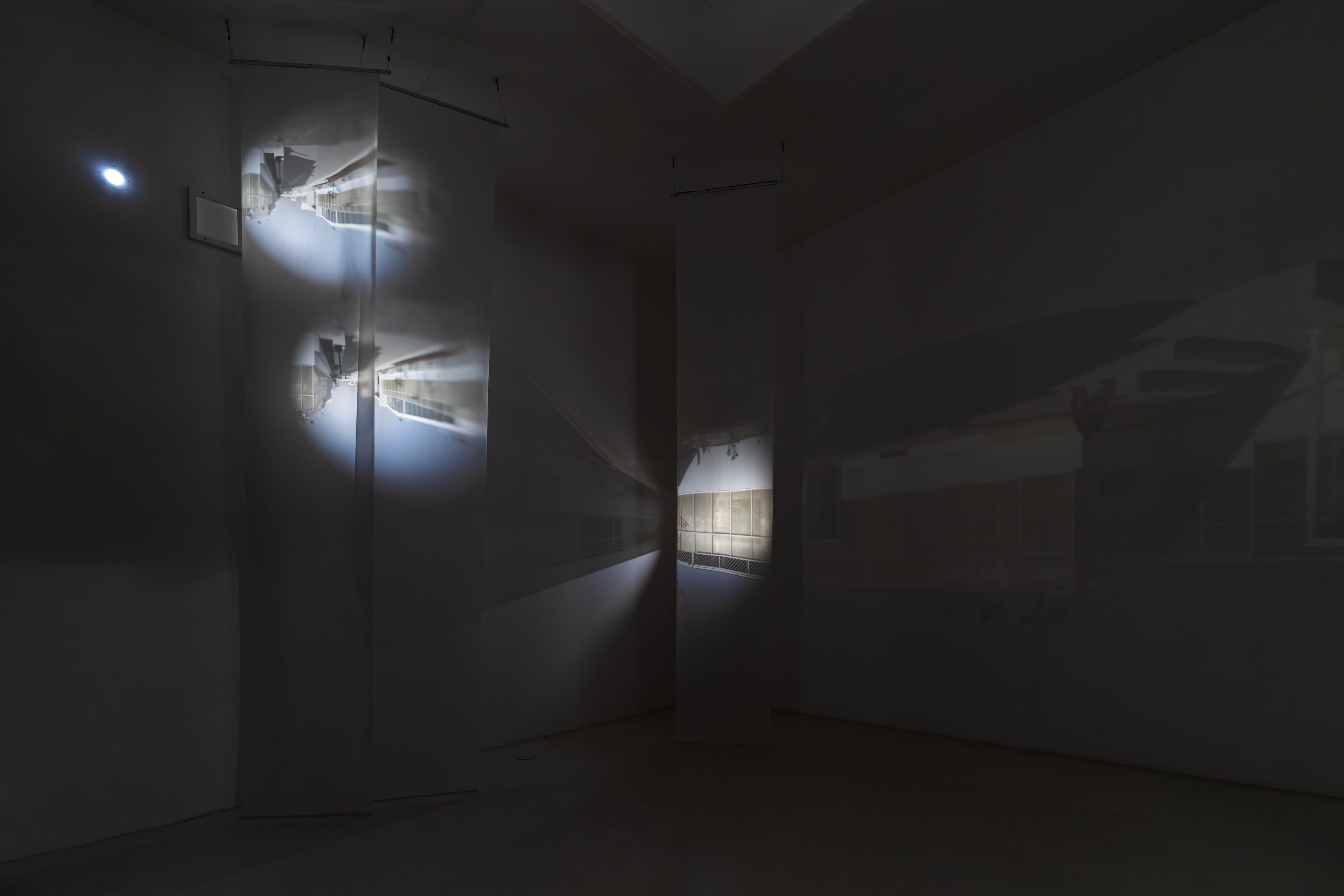
Camera Obscura #4 Refusal to Allow Mediation
Featured in the 11th edition of Les Rencontres de Bamako (the African Biennale of Photography) took place in Mali from December 2, 2017, to January 31, 2018. Entitled Afrotopia and curated by Marie-Ann Yemsi. The Biennial takes ‘the bet that Africa can be its own centre and a resource for the world in the urgent need to reinvent a future.’
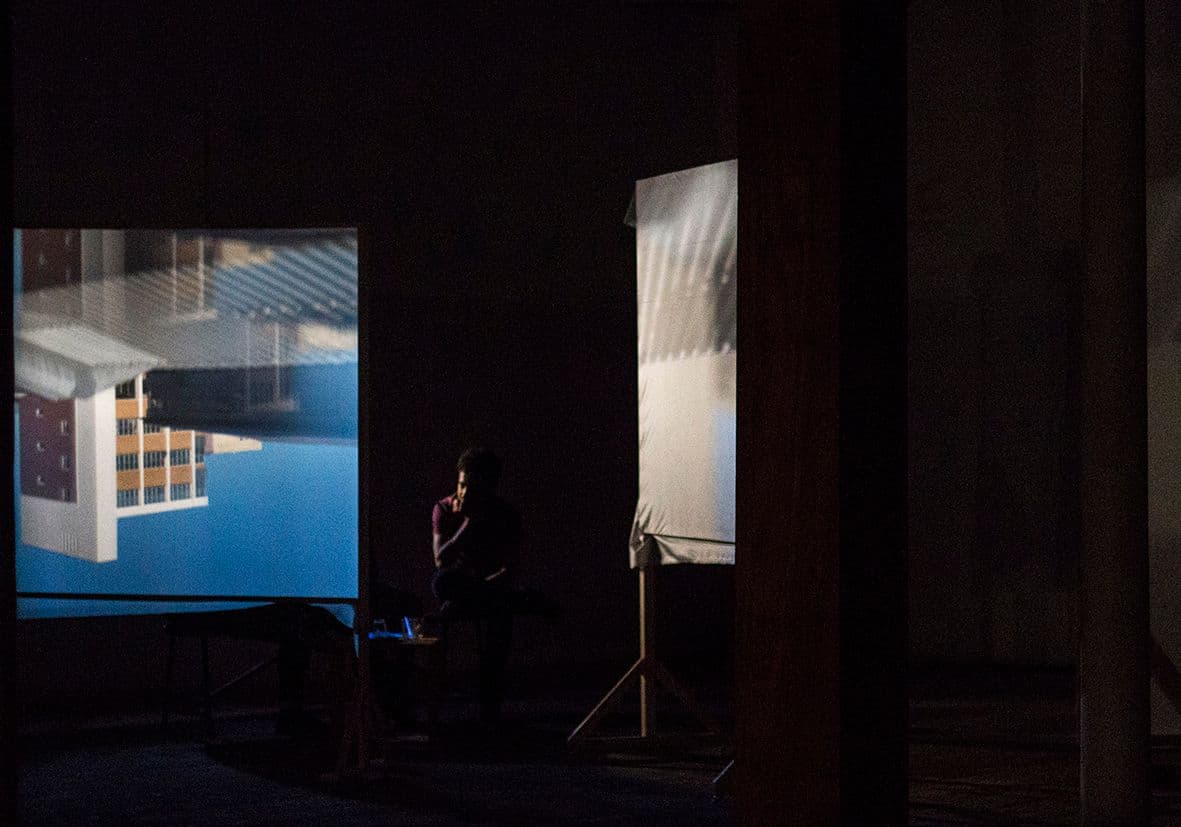
In its installation at Les Rencontres de Bamako, Camera Obscura #4 Refusal to Allow Mediation, takes the form of projected images without central perspective and uncontainable by any frame. The resulting ensemble functions as both an archive and an optical trap, inviting visitors to enter, lose themselves, and actively forge new meaning.
By subverting photography's historical role as an objective, mechanical eye, the work directly addresses the colonial context that imposed it. Here, the camera does not simply capture a pre-existing reality, but brings into existence an entirely new gaze—and with it, a world that only exists by virtue of it
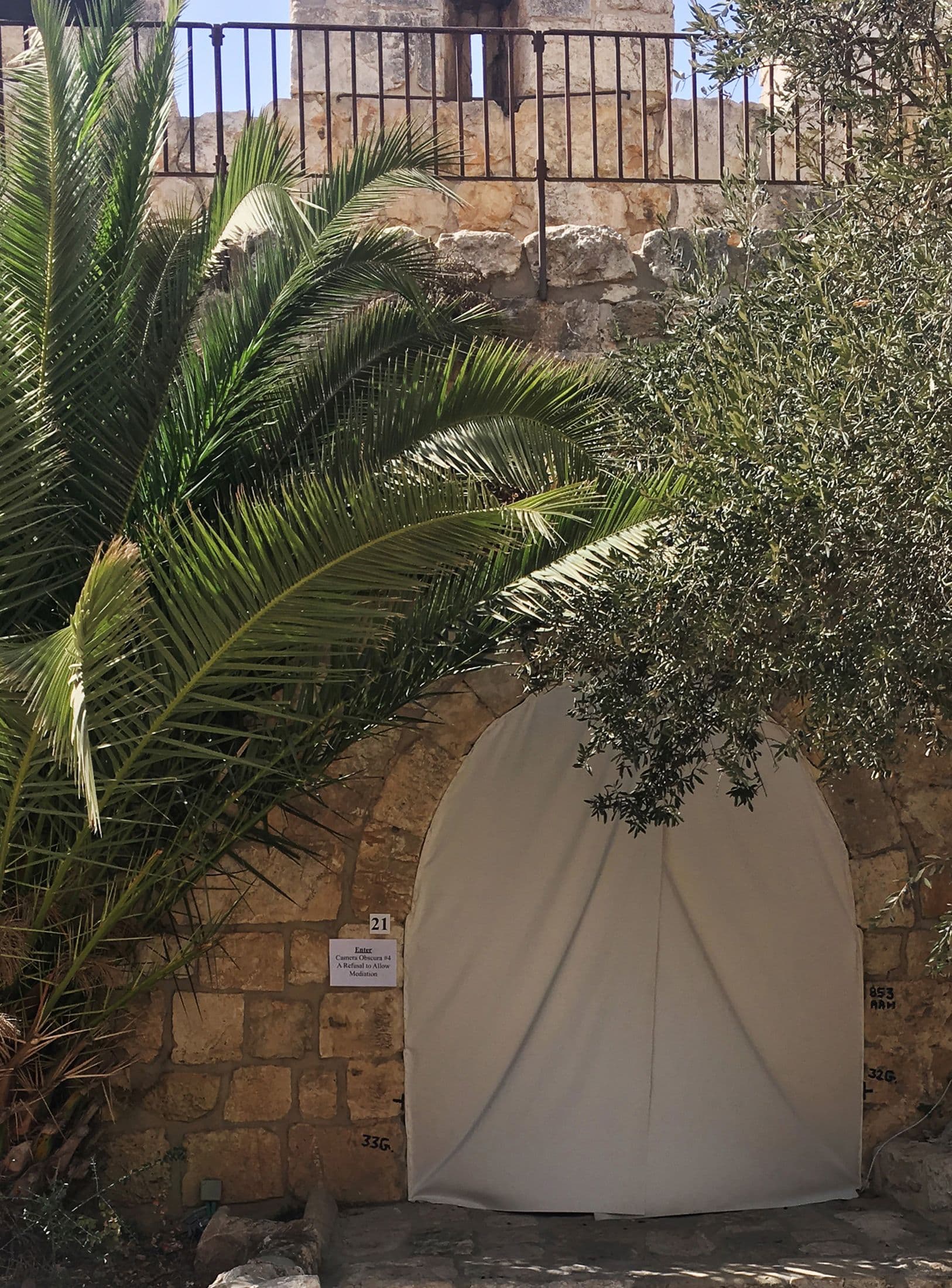
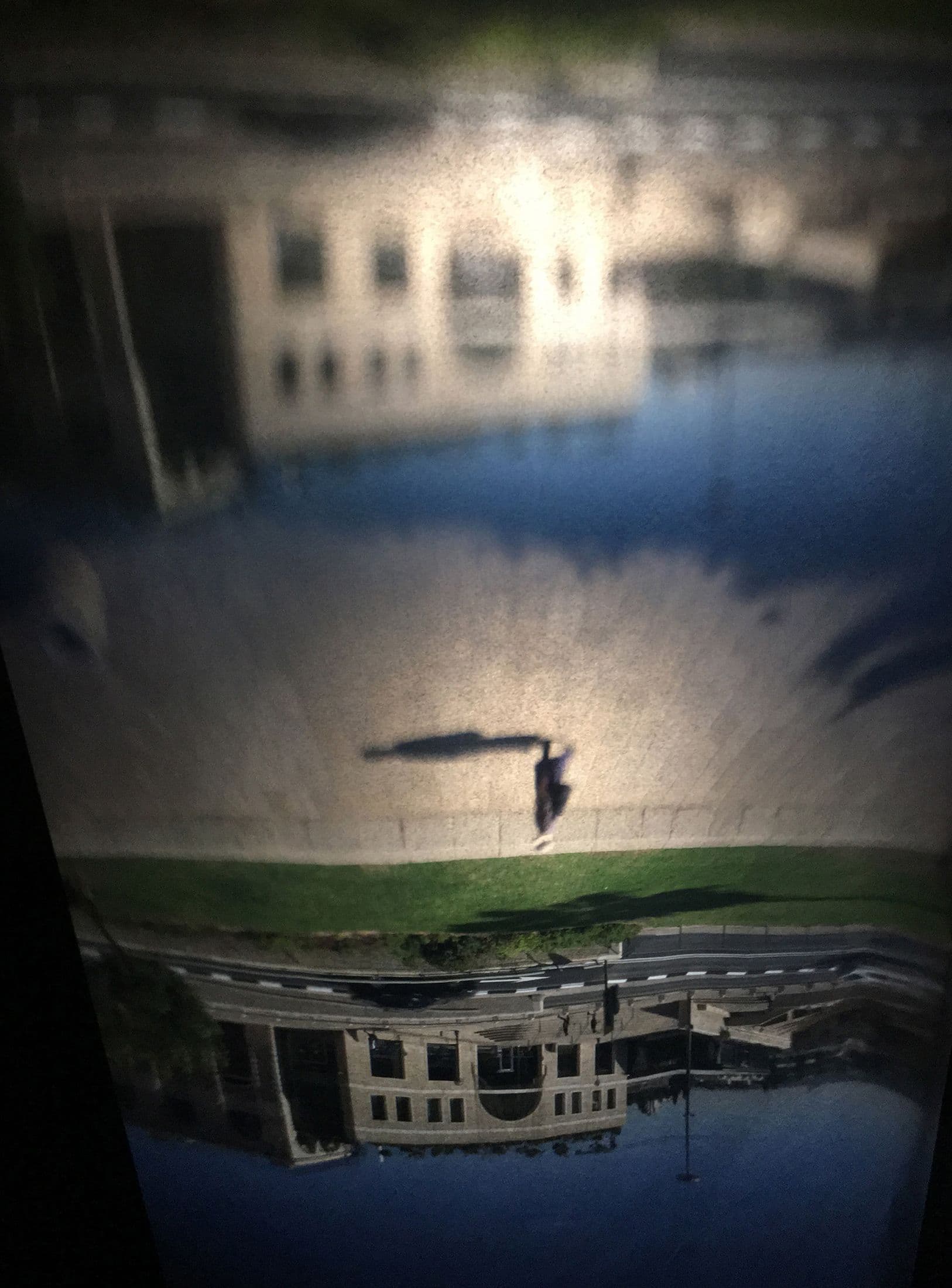
Camera Obscura #4 Refusal to Allow Mediation, 2016, installation view at Qalandiya International Biennale, Jerusalem Show VIII, old city Jerusalem
Camera Obscura #3 Projections
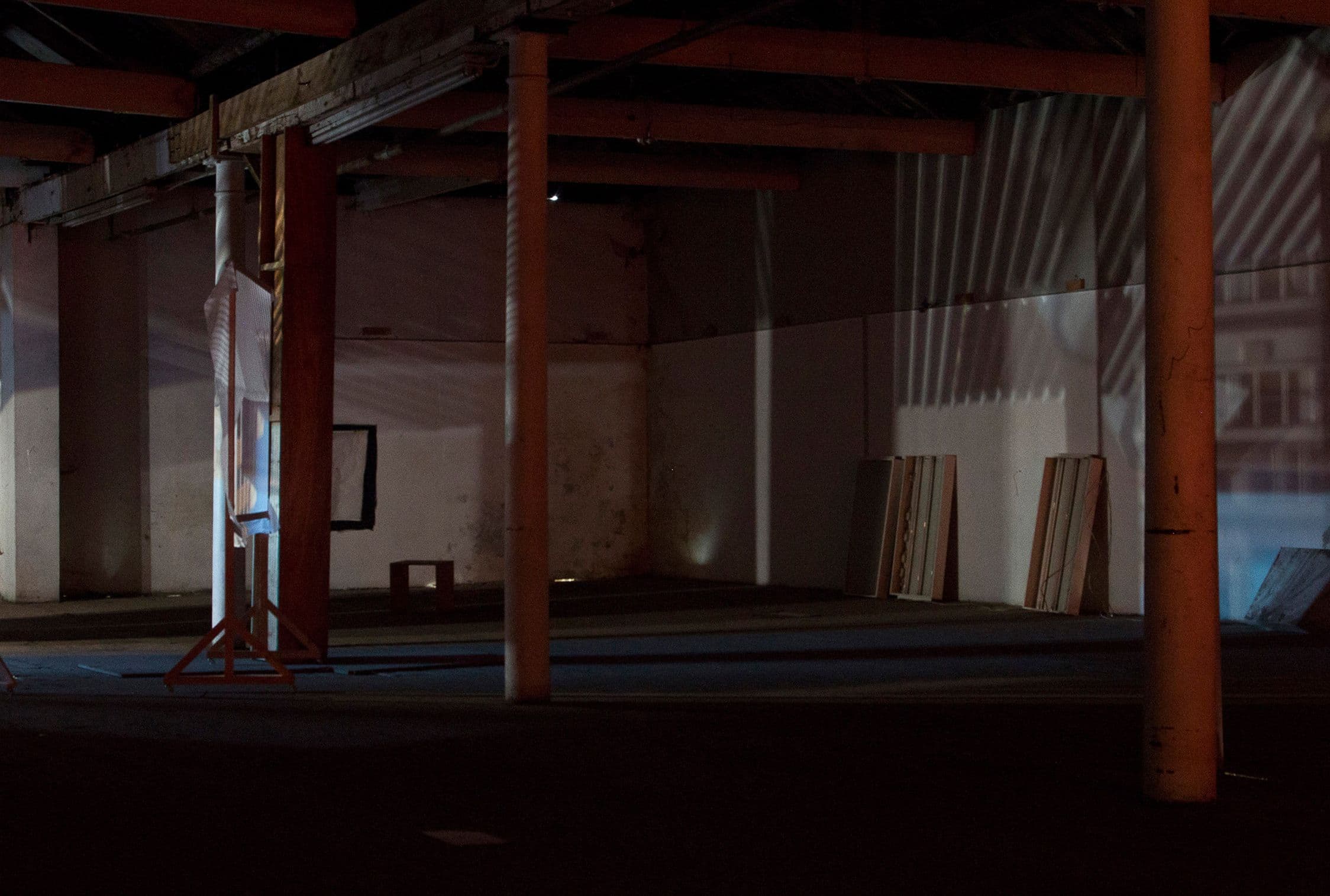
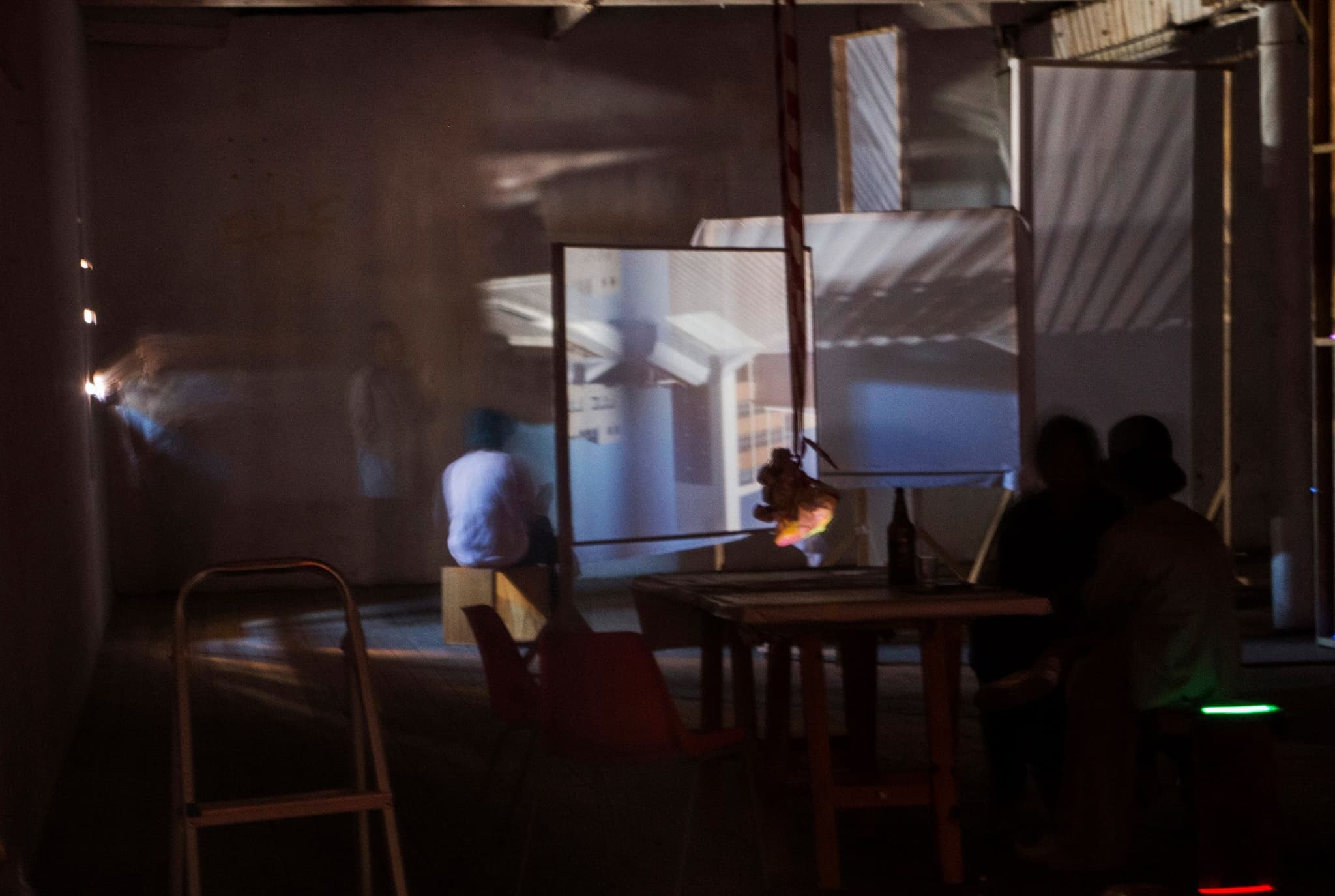
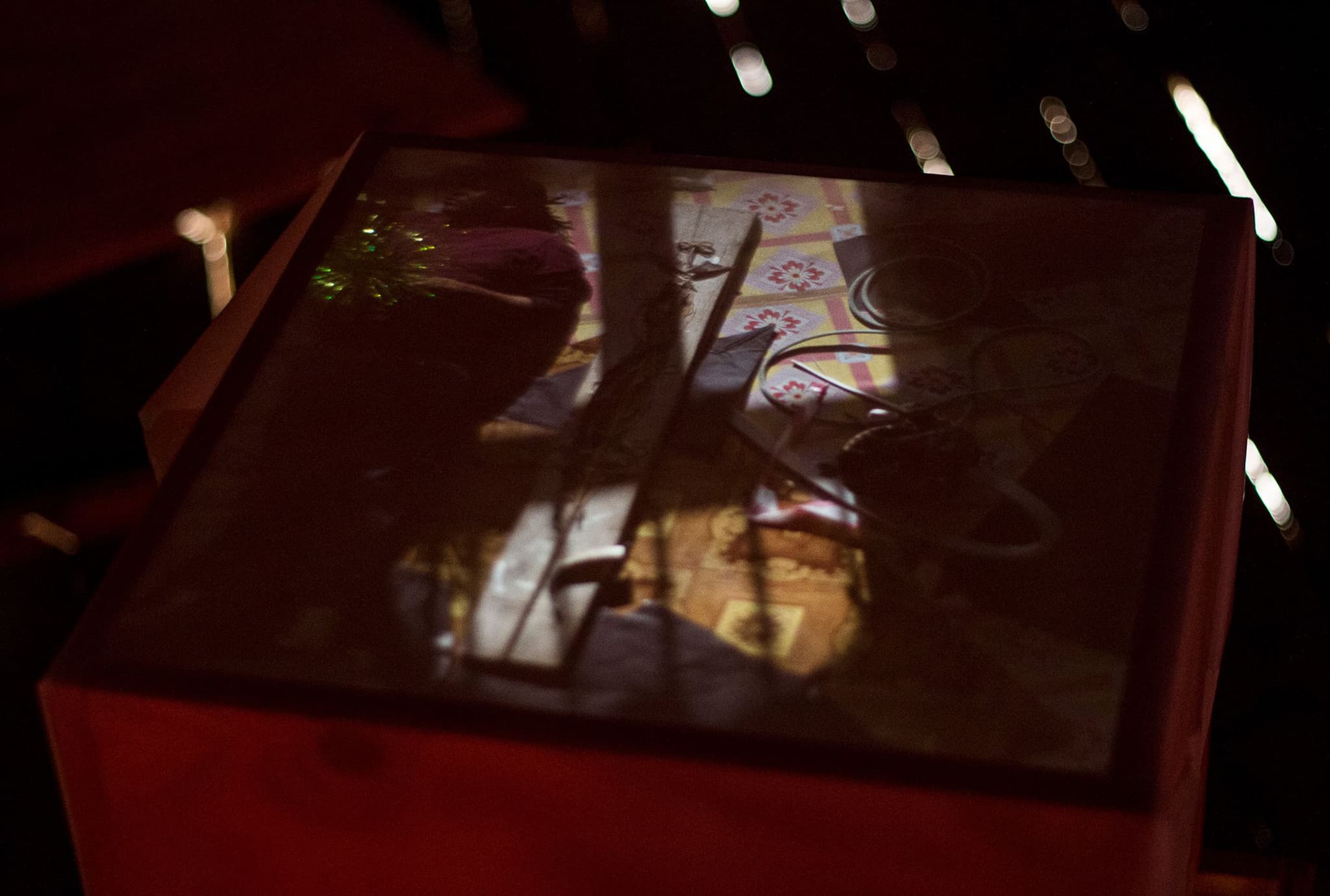
Camera Obscura #3 – Projections documents George Mahashe's installation made during his residency at A4. This installation forms part of a series of photographic interventions, among them Dithugula tša Malefokana, Neither Nor, InBetween and Etcetera! Etcetera!, collectively referred to as MaBareBare. MaBareBare forms part of the artist's PhD in Fine Art from the University of Cape Town hosted by the Archive and Public Culture Research Initiative (APC) and the Centre for Curating the Archive (CCA).
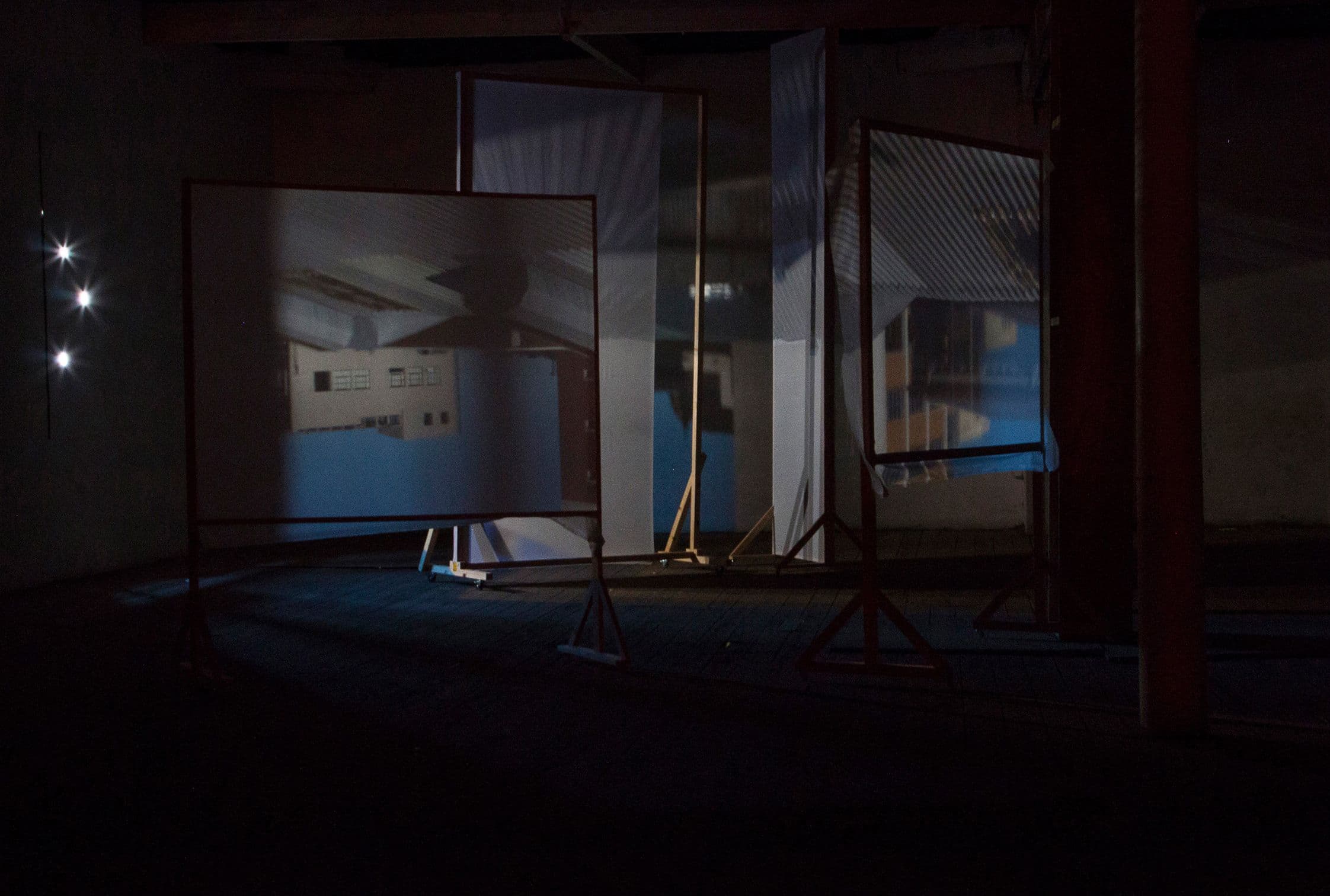
Camera Obscura #2 Kheipone
Camera Obscura #2 Kheipône, 2016, installation view at Wits Art House, Johannesburg
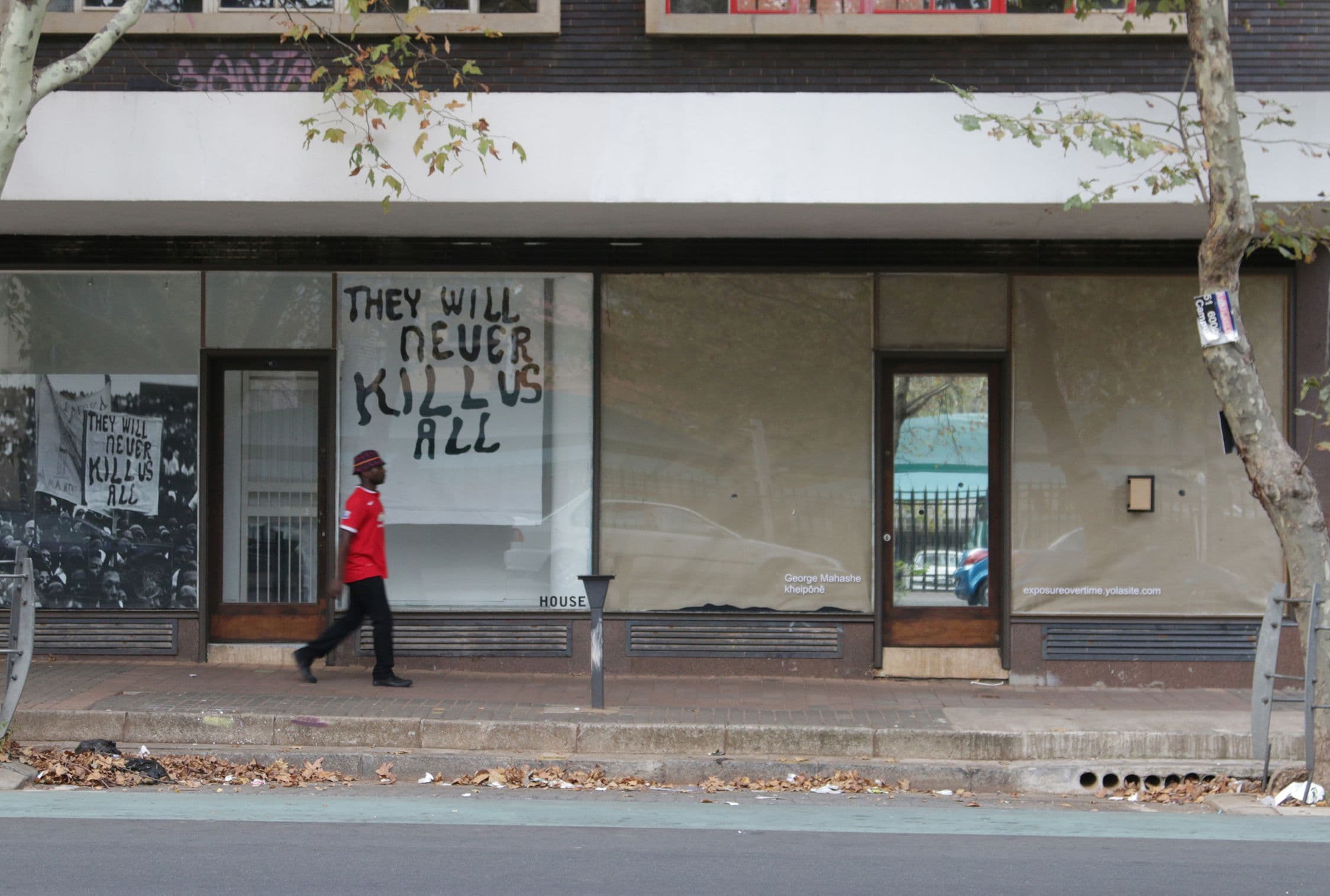
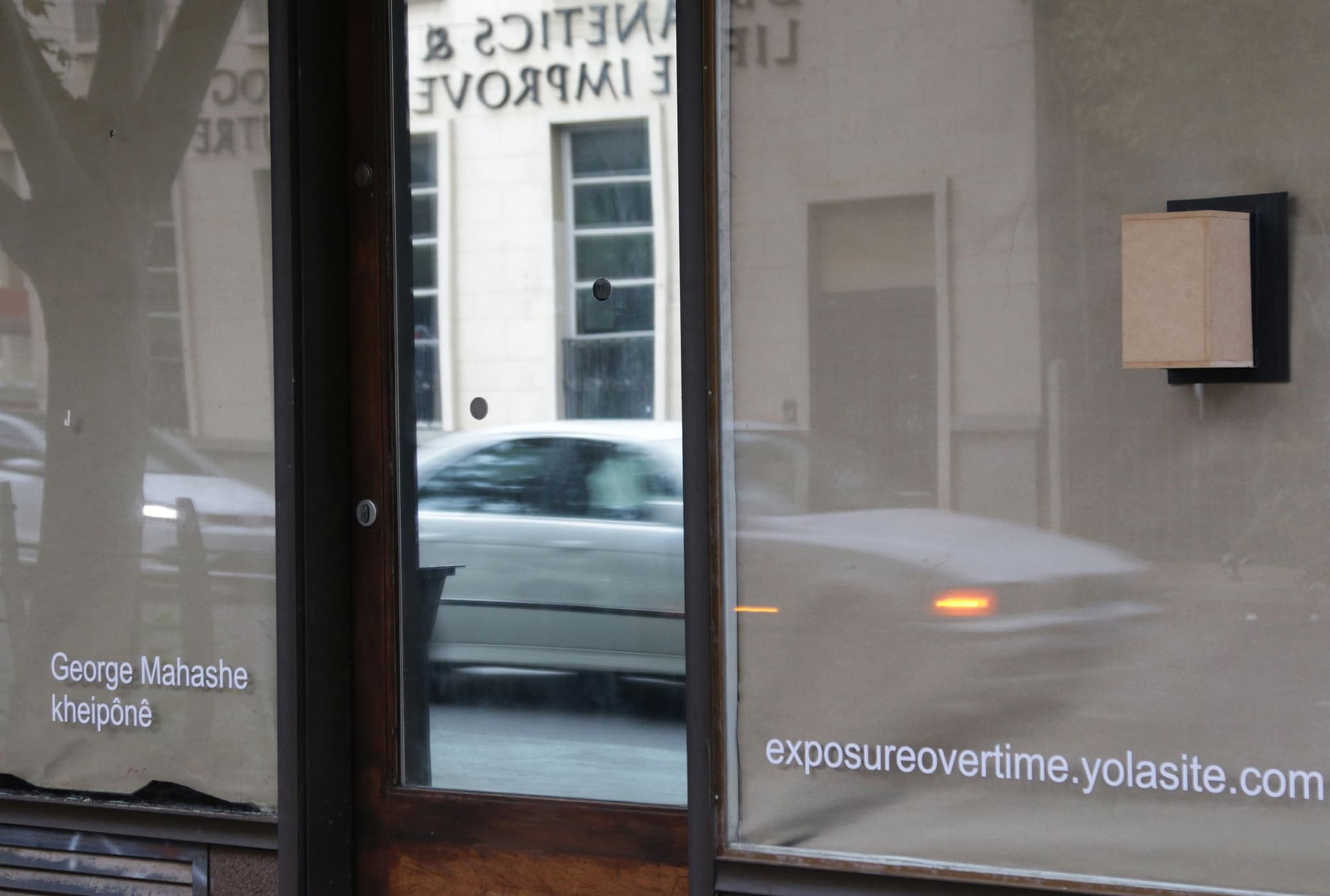
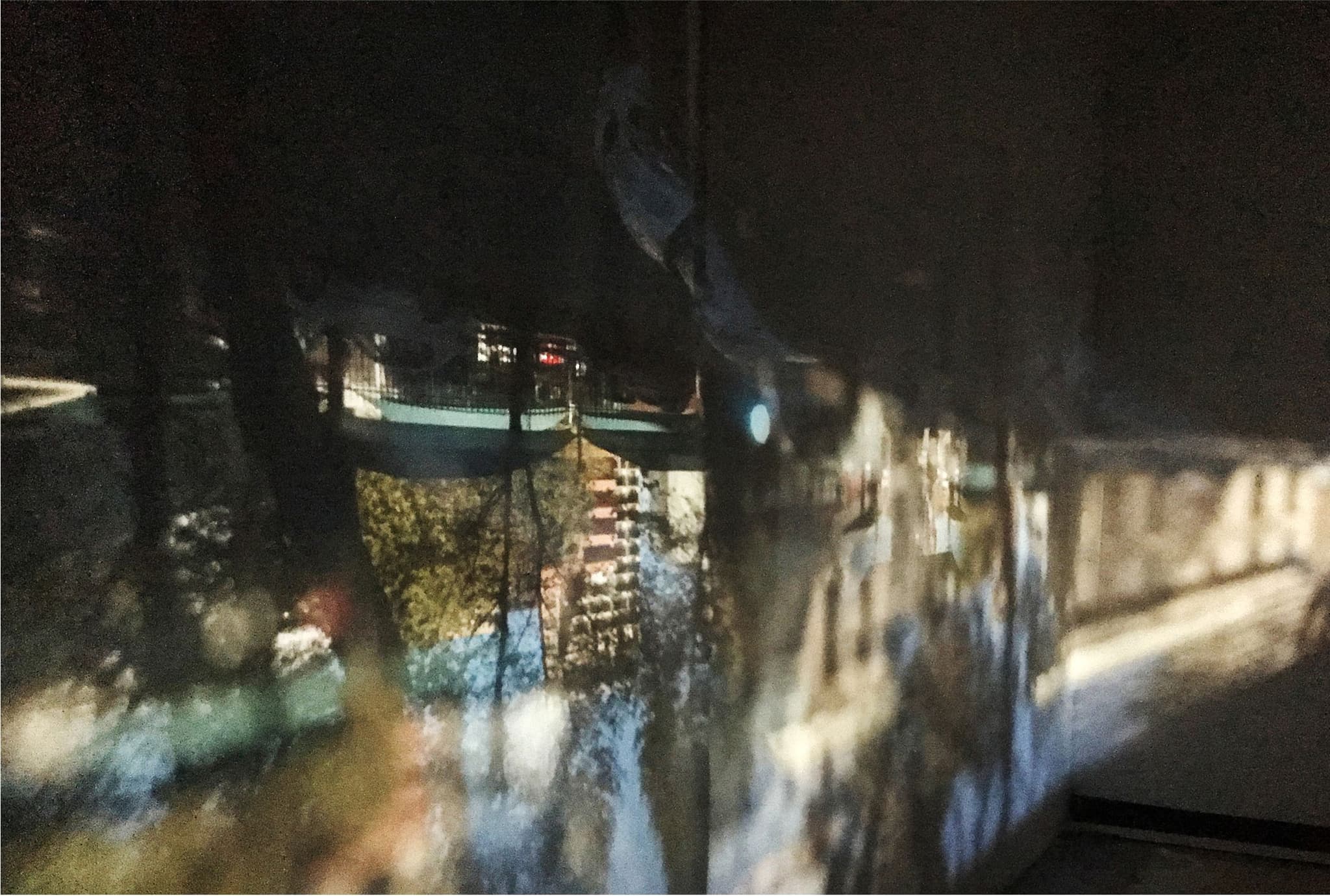
Camera Obscura #1 Toilet
Camera Obscura #1 Toilet, 2015, Johannesburg