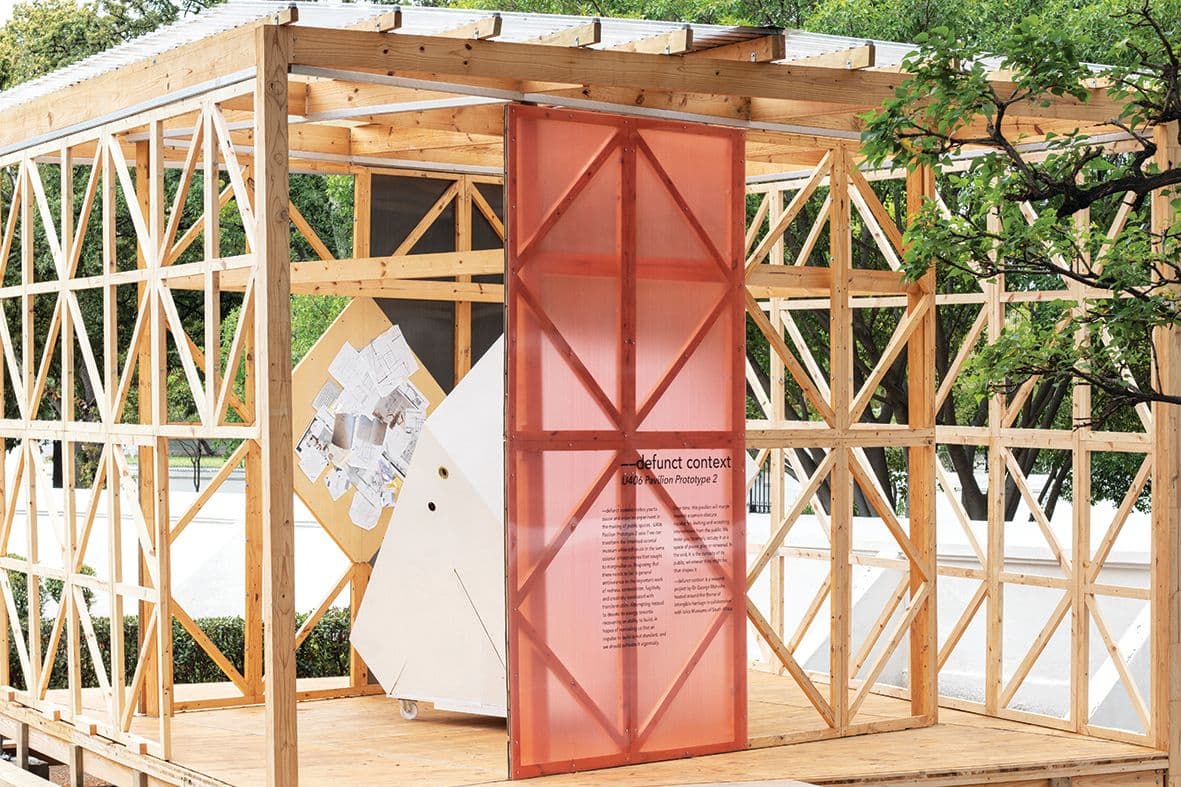
—defunct context
—defunct context is a premise, research platform and curatorial strategy concerned with taking seriously the idea of personal archives. It investigates how history, memory, and knowledge are preserved and transmitted outside the structures of colonial inheritance. The framework offers a critique of perpetual coloniality, specifically targeting the problematic display practices and exclusionary knowledge production protocols that persist within ethnographic museums.
Camera Obscura #
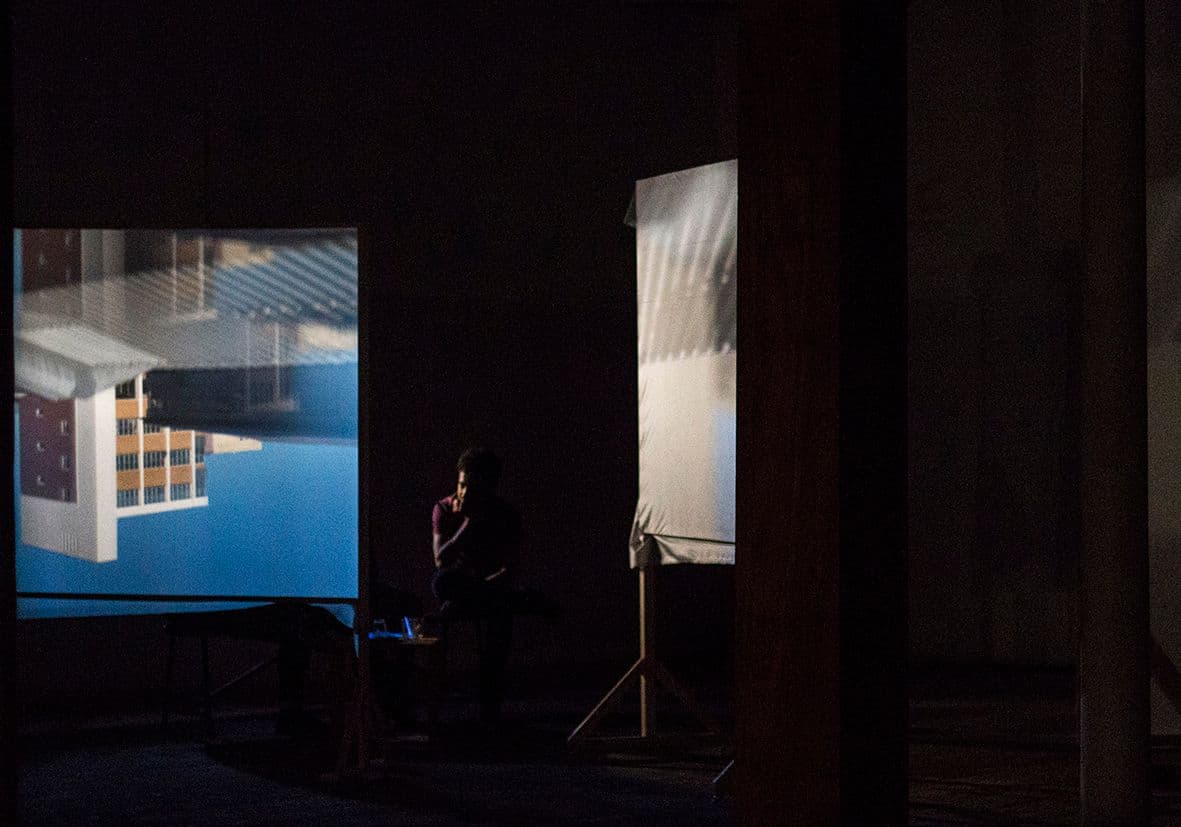
The Camera Obscura Works challenge contemporary photography’s obsession with portable images and representation, shifting the focus back to the camera as a physical space housing a body. Grounded in the optical theories of 10th-century scientist Alhazen and Diane Arbus's situated gaze, the project positions the image as an infinite, perpetually evolving phenomenon. Works in the Camera Obscura Works include camera obscura #1 ‘Toilet’ (2015), camera obscura #2 Kheipone (2016) at the Wits Art House in Johannesburg, camera obscura #3 Projections (2016) at A4 Art Foundation in Cape Town, and camera obscura #4 Refusal to Allow Mediation (2016) in the wall of the old city in Jerusalem. Camera obscura #0 which is in the planning stages is envisioned as a public art initiative installed in the Bolobedu Village of Khetlakong (Mefakeng) and Ga-Sekgopo (Thabana ya Dafida)
MaBareBare
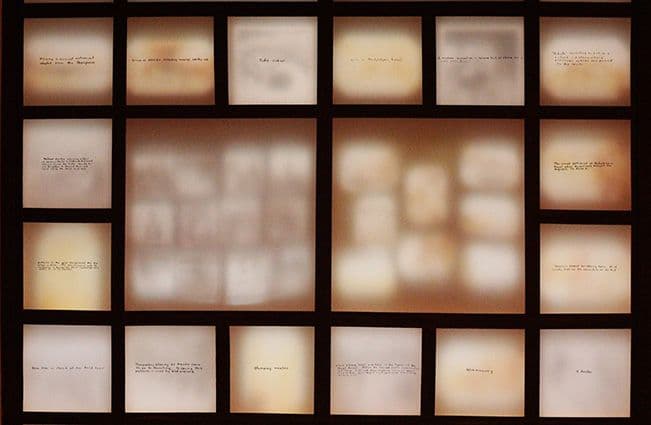
The MaBareBare Project contextualises a nine year span of practice by Associate Prof. George Mahashe’s imagining of Khelobedu—the philosophy, culture, and mythologies of South Africa's matrilineal Balobedu dynasty. Operating within contemporary artistic practice, the project views local ancestral knowledge and 170 years of colonial text as one inseparable, entangled archive. By deploying multiple, shifting subjectivities, MaBareBare counters historical representation practices to present a fluid glimpse of Khelobedu.
Modjadji le Dikolobjana
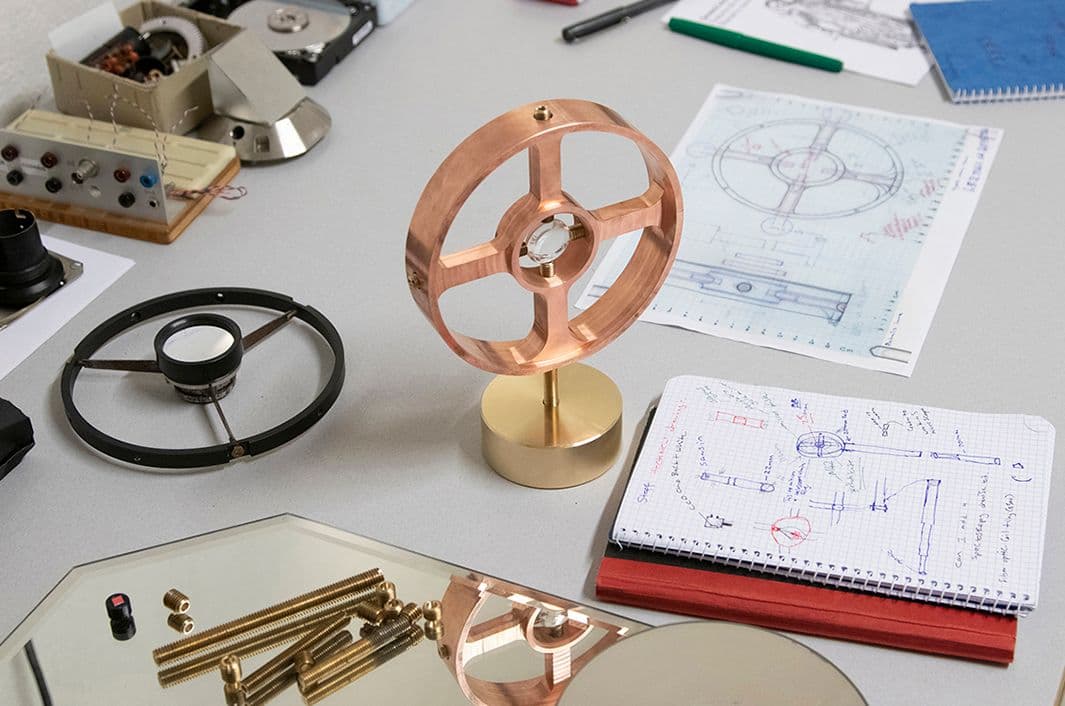
The Modjadji le Dikolobjana project originated during the 2018 Artists-in-Labs residency at the Geneva Observatory. It conceptually bridges the mythology of Modjadji—the Balobedu Rain Queen of Limpopo—with indigenous astronomical and environmental practices. The project comprises four completed works, which have been presented across three exhibitions: Lerumo la Mutwa, Makhalaka, Masjogojo, and Malekhalo. In addition, the project includes two ongoing or partially exhibited works, Kherofo and Ditaola/dithaku.