MaBareBare
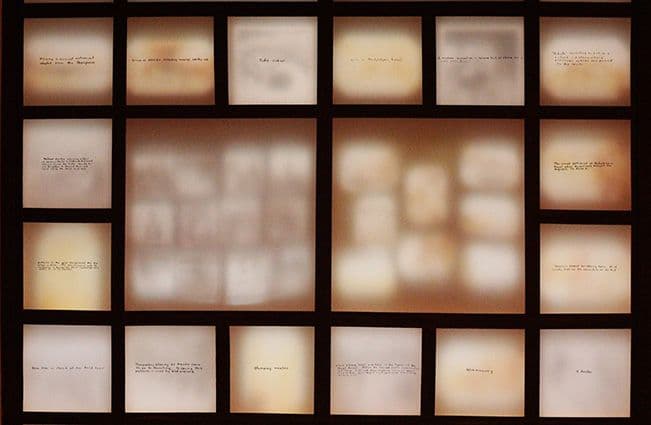
The MaBareBare Project contextualises a nine year span of practice by Associate Prof. George Mahashe’s imagining of Khelobedu through exhibitions, installations, academic text and public oriented programs. Khelobedu generally refers to the religion, culture, political and philosophical thought of Balobedu, who are a polity constituted around the figure of Modjadji, the head of a 200 year strong dynasty whose highest position is reserved for women. Balobedu’s stronghold is called Bolobedu and is located in the north eastern part of Limpopo in South Africa.
Within the MaBareBare context Khelobedu refers to the myths tailored by Balobedu, designed to counter representation practices of successive waves of Portuguese, British and Afrikaans colonists that encroached their area. It exists alongside different classes of local and colonial texts produced by Balobedu’s neighbours, missionaries, anthropologists, travellers and colonial administrators produced and archived over the last 170 years.
Mahashe understand these productions by and about Balobedu to be entangled and inseparable. Therefore this imagining of Khelobedu manifests as a conceptual tool that looks at colonial and local texts as functioning as one entangled archive accessible through different subjectivities and practices. MaBareBare explores this entangled archive and utilises a space within contemporary artistic practices that allows one to deploy multiple and sometimes contradictory subjectivities simultaneously.
Works within MaBareBare include works such as Camera Obscura # (2015-16) the photographic exhibition ‘Gae Lebowa’ (2010) presented at the Museum of World Cultures in Vienna; photographic installations like ‘Dithugula tša Malefokana’ (2012) and ‘InBetween’(2014) both presented at the 10th Bamako Biennale in 2015; text such as ‘Of Myth and Fantasie’ (2012) as well as video works such as Etcetera! Etcetera! (2013), presented at Goethe on Main in Johannesburg.
Gae Lebowa
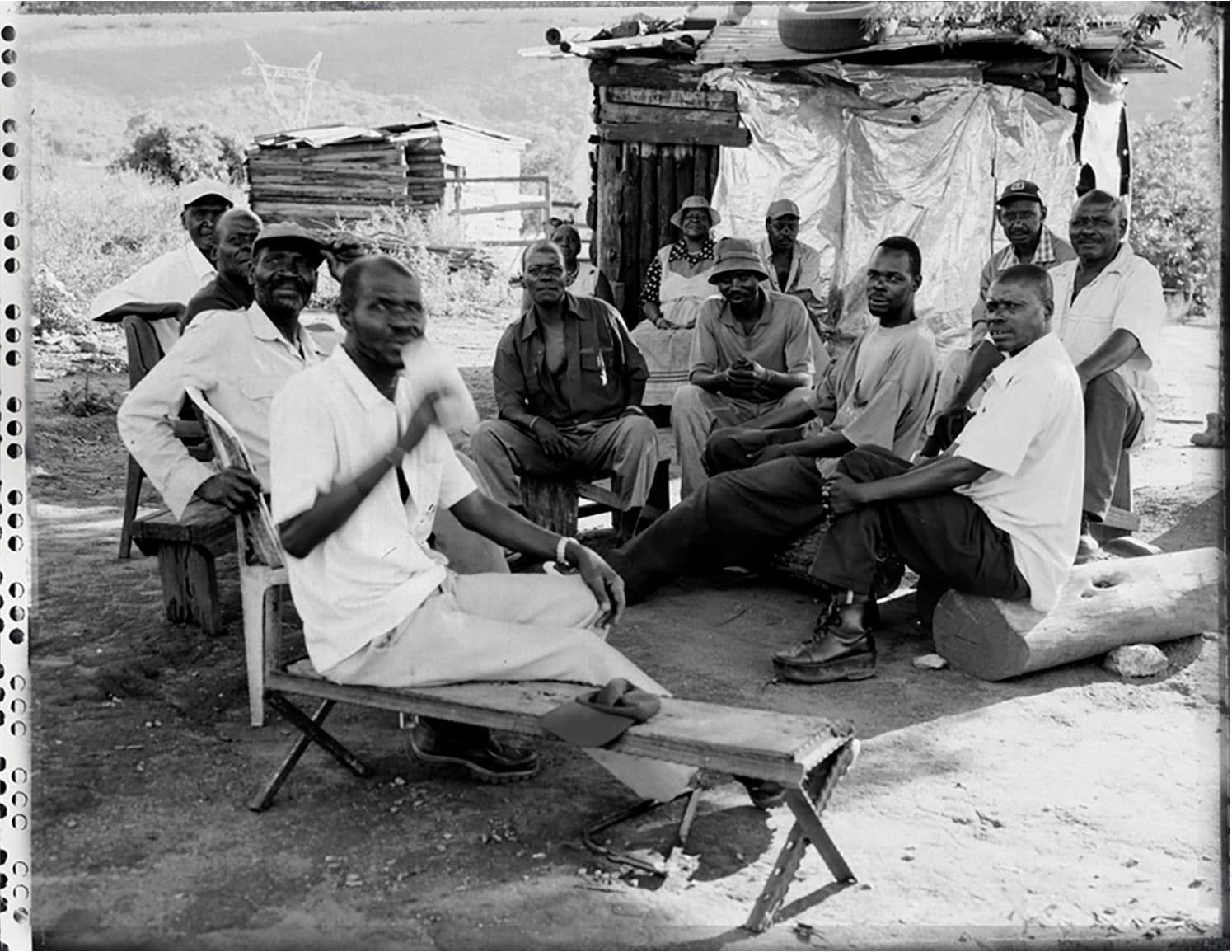
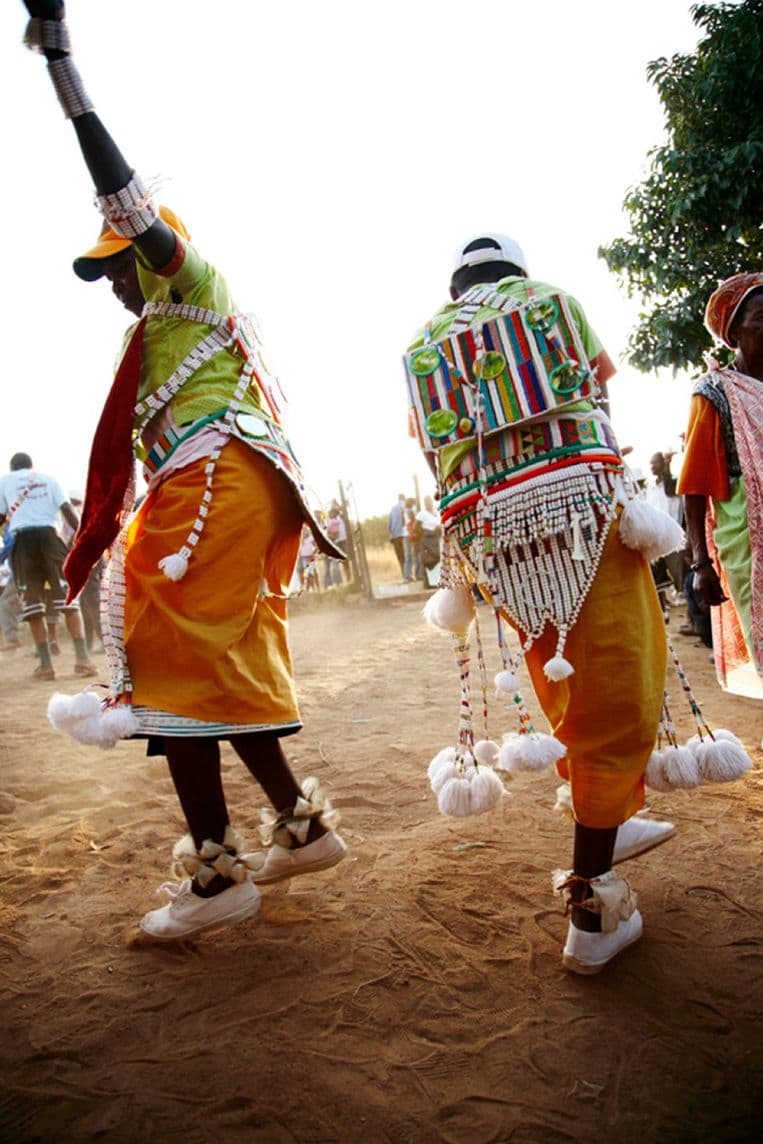
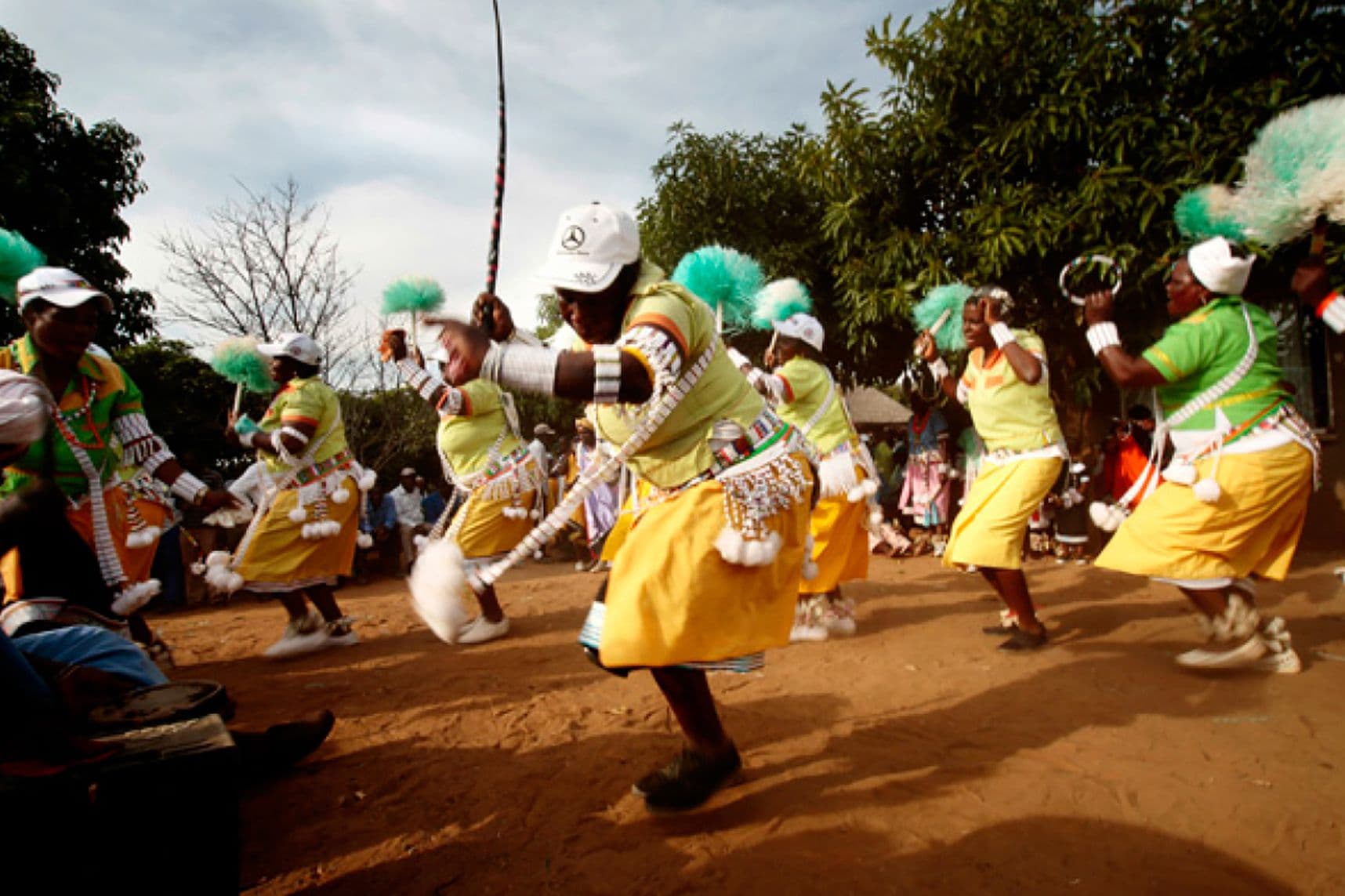
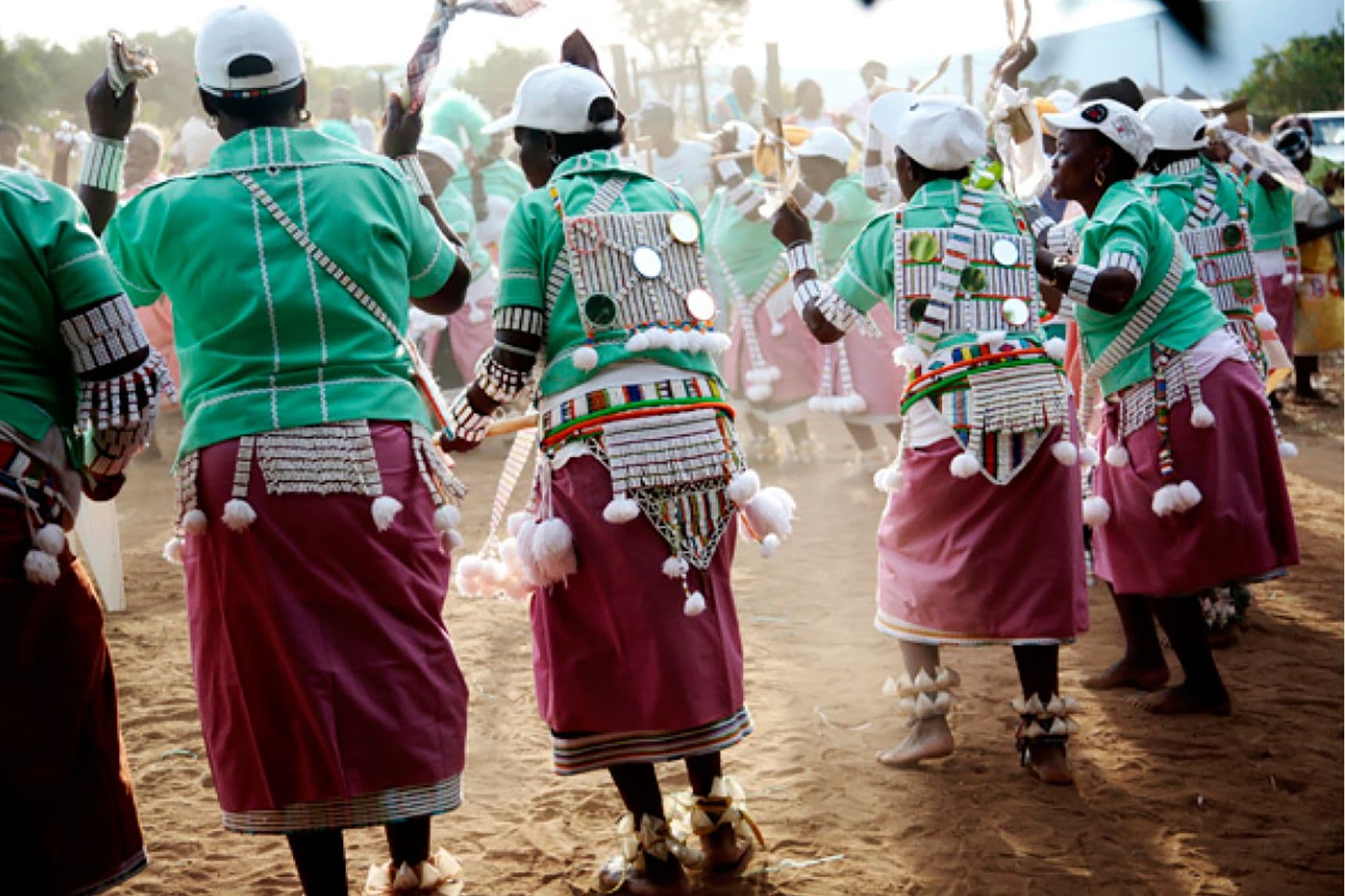
Gae Lebowa is the genesis of a series of researches and exhibitions now collectively referred to as Ma Bare Bare–things people say, loosely referring to rumour, but emphasising a subjected community’s criticism of the expert authority subjecting them. This series is centred on Mahashe’s fascination with the recorded imagining by, and imaginings of Balobedu (including his own) over the last 200 years.
In Gae Lebowa Mahashe explores the notion of home, both metaphorically and physically as he traveled through the former Bantustan of Lebowa and the surrounding Bantustans, now collectively called the Limpopo province, focusing particularly on Bolobedu. In the same breath the work considers the potency of the idea of ‘going home’ as a way of gaining a situated knowledge lacking in contemporary historiography. Gae Lebowa provides some insights into the complicated relationship between “indigenous” archives and colonial history.
Dithugula tša Malefokana
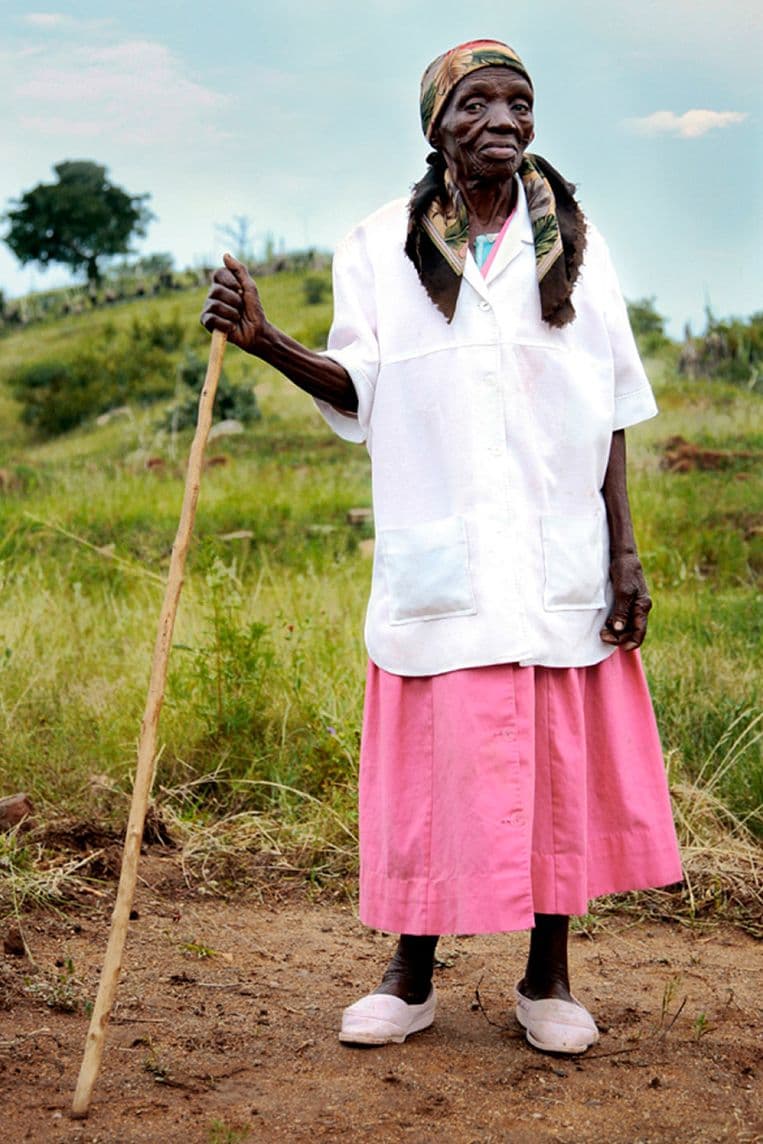
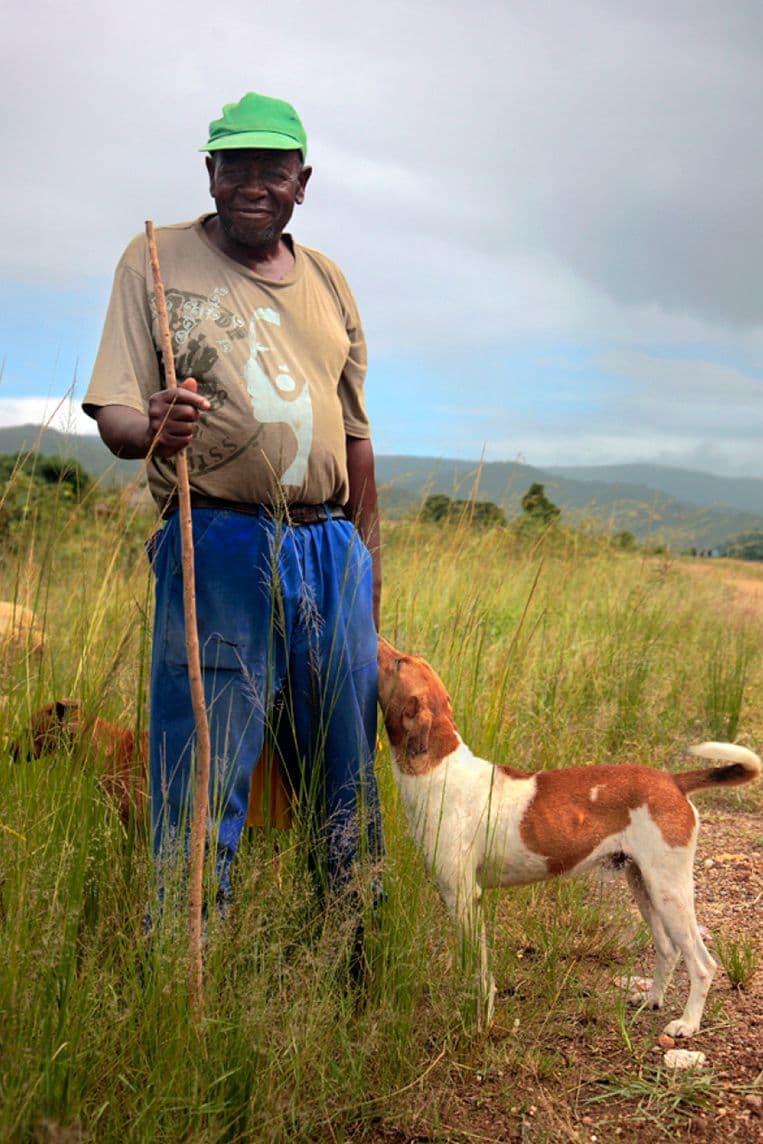
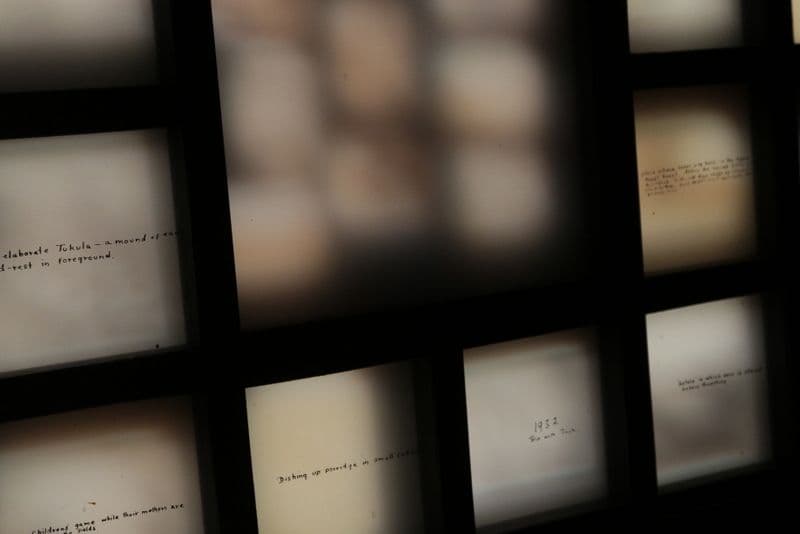
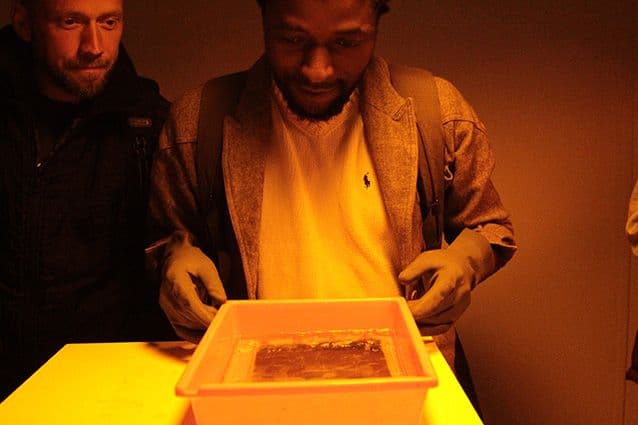
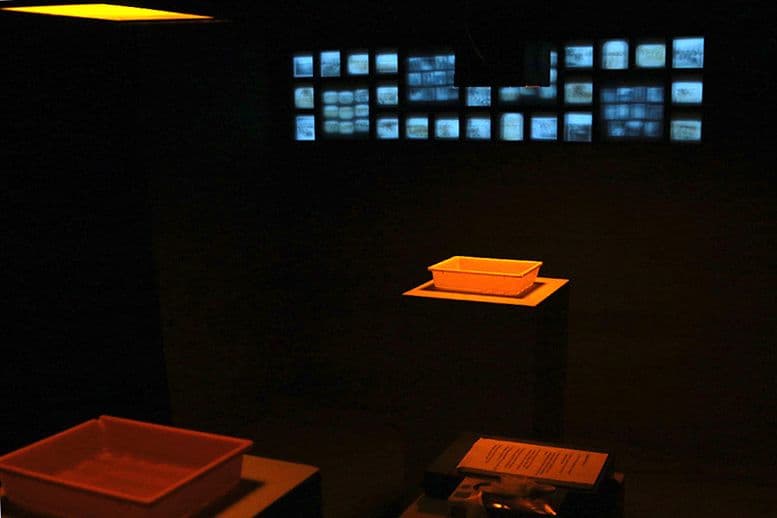
Dithugula tša Malefokana is Dr George Mahashe’s interpretation of the overlapping aspects of being a Molobedu researcher of anthropology and Lobedu history, while simultaneously operating as a curator and artist interested in the aesthetics presented by the materiality of the photograph. Mahashe explores the metaphor of the darkroom as a space of vision that renders things visible, while challenging the limits of the photograph as a reliable, fixed, or permanent record. In doing so, he draws striking similarities between the inherent ‘magic’ of photography and the myths and legends surrounding the fame of the Balobedu.
Dithugula tša Malefokana translates to "paying libation in the photographic archive," engaging with a collection made by anthropologists E.J. & J.D. Krige in the 1930s in Bolobedu under Queen Modjadji III. In doing so it asks, How, and in what ways, might a visually, and artistically, inclined person gain knowledge from a body of ethnographic photographic objects?
The work has been featured in Exposure Over Time, a website presentation of works produced during the course of George Mahashe’s PhD Fine Art project, MaBareBare. Exposure Over Time references the theoretical formulae for photography- the amount of time a light sensitive surface is exposed to light. It has also been presented as part of MOP 5 (Month of Photography, 2012), The Exuberance project (2012), The Parking Gallery, Johannesburg and Bamako (2015).
Dithugula tsa Malefokana - Bamako
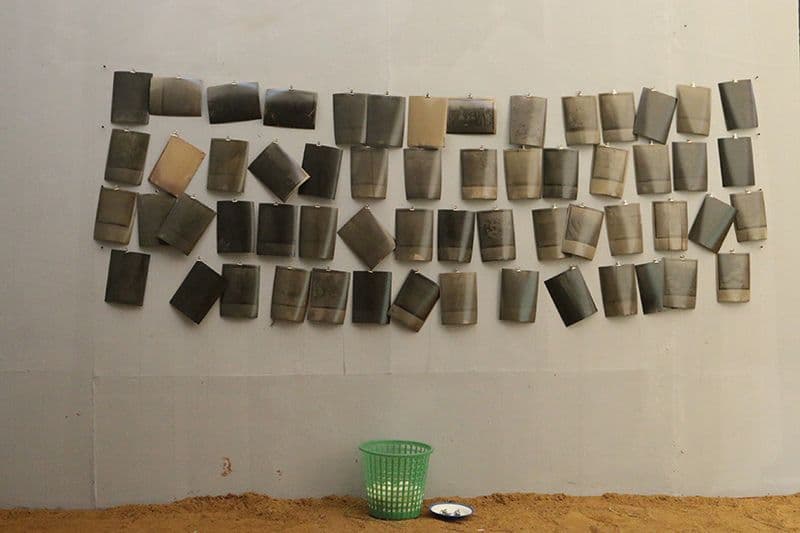
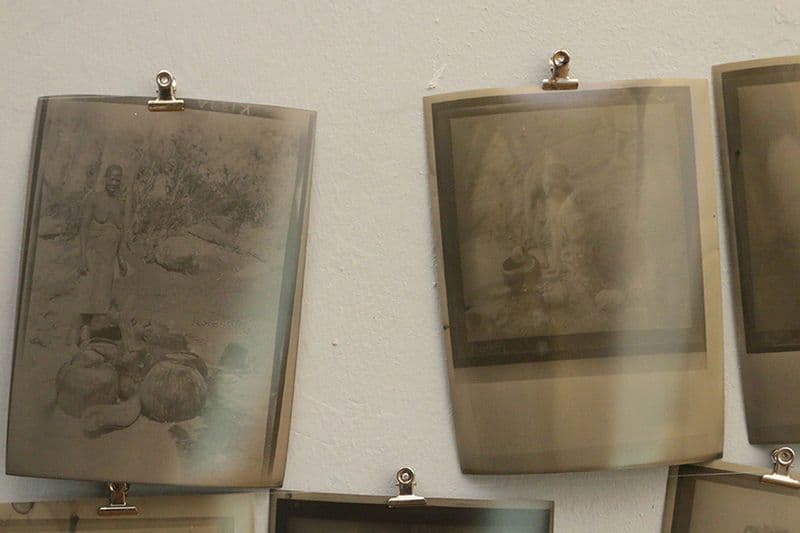
Dithugula tsa Malefokana, 2015, installation view at the 10th Bamako Encounters, MaBareBare: Telling Time, Bamako
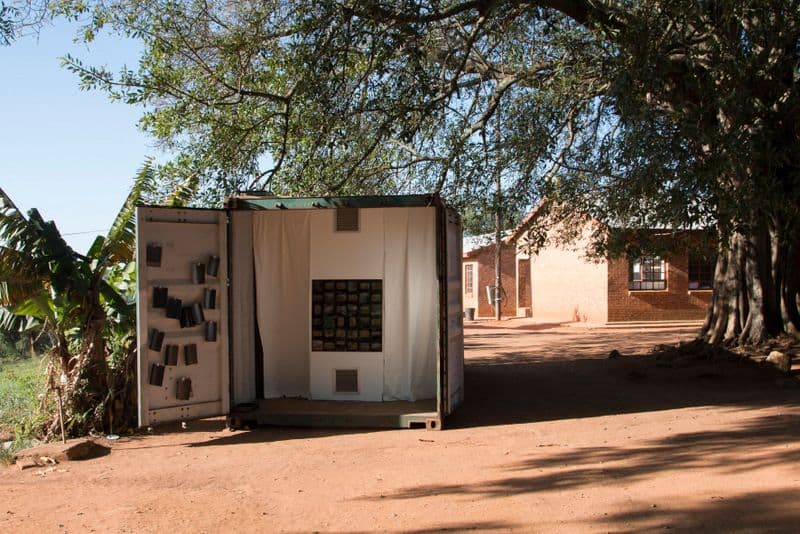
Dithugula tsa Malefokana - Bolobedu
The series is centred on George Mahashe’s fascination with the recordedimaging and imaginings of Balobedu over the last 200 years, as well as thecreative possibilities presented by the many expressions of photographyfound in, and inspired by, the colonial archive. In this archive, Balobedu iswell represented, particularly in archives such as that of anthropologists EJand JD Krige – the Krige photographic collection housed in Iziko Museums’social history department, as well as the archive compiled through Germanmissionary Fritz Reuter (Evangelical Archives Berlin - ELAB), who facilitateda delegation of Balobedu’s participation in the Transvaal exhibition held inBerlin, Germany, in 1897.
These archives include photographs, annotatedalbums, photographic slides, postcards, printing press mock-ups, soundrecordings, missionary diaries, letters and administrative reports. While GaeLebowa-Fieldworks focuses on the use of colonial archives in research, it stresses, conceives of and presents the colonial archive’s positions as being a part of an oral tradition, or indigenous archive, that is still active in Bolobedu today. In this form, Gae Lebowa-Fieldworks manifests as a series of field tripsback to Bolobedu after a four years’ absence spent studying in Cape Townand travelling. These field trips retrace my original field trips to Bolobedu, whichincluded conversations with my great-grandmother and numerous visits tosome beer drinks and some Balobedu orators. In this leg, it aims to set up a series of conversations with high school students, encouraging them to use their time, while still based in Bolobedu, to discover their heritage and inviting them to use the available archives to stimulate dialogue about Khelobedu with their grandparents and the wider community.
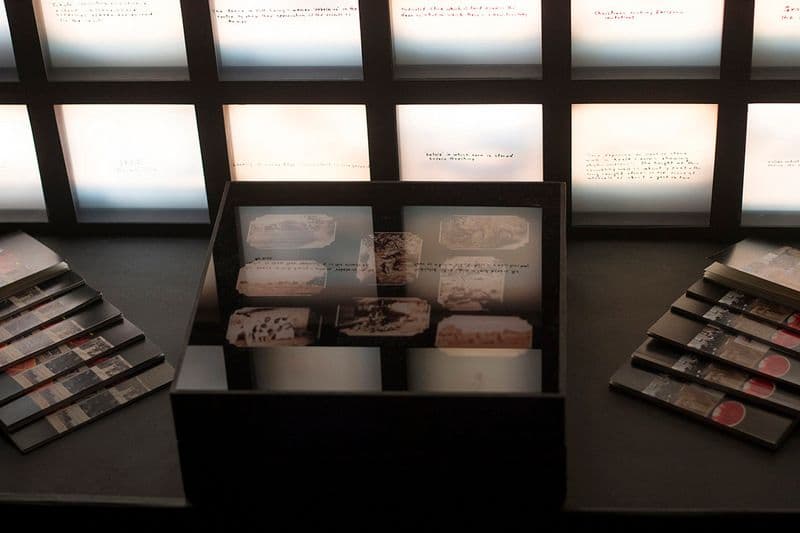
Dithugula tsa Malefokana, 2015, installation view at Gae Lebowa Fieldworks, Bolobedu, South Africa
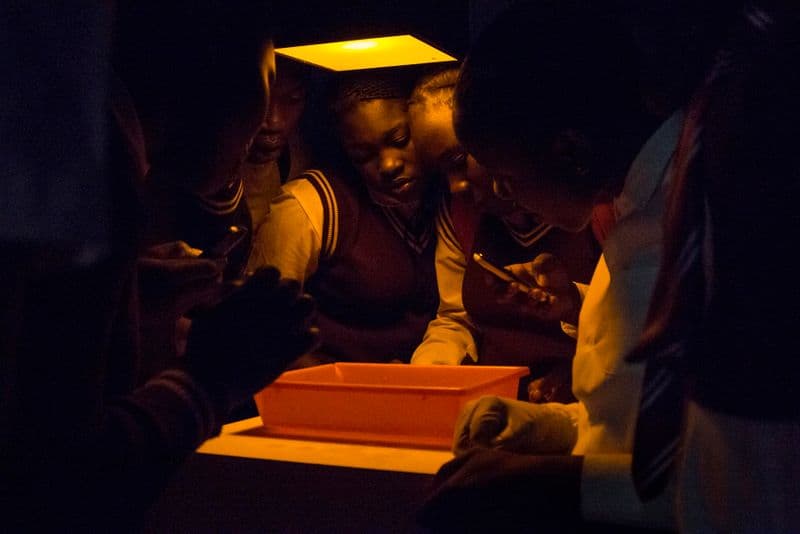
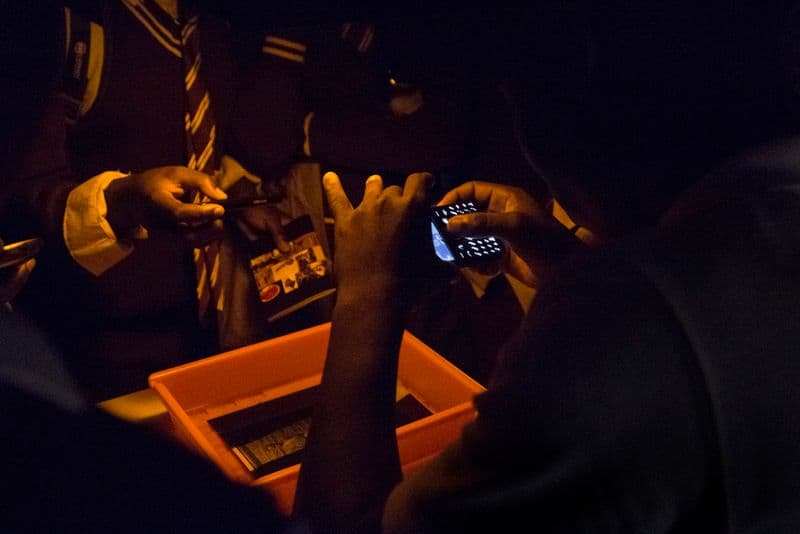
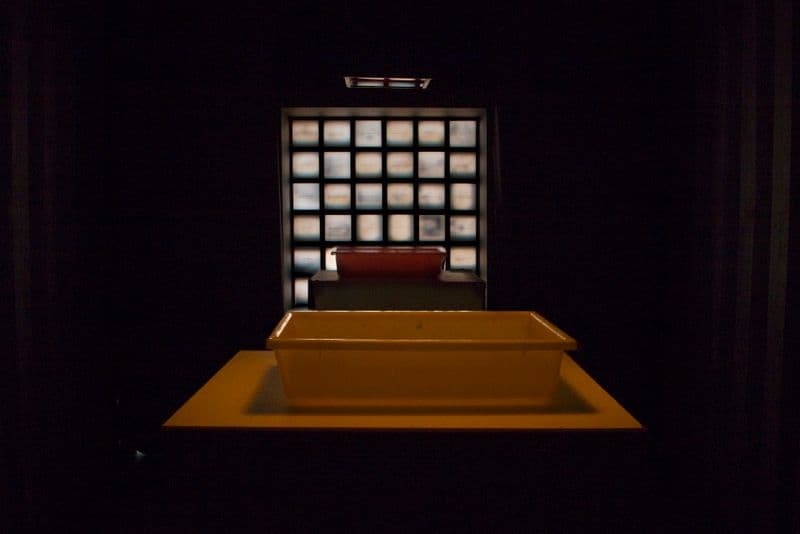
Dithugula tsa Malefokana - Michaelis Gallery
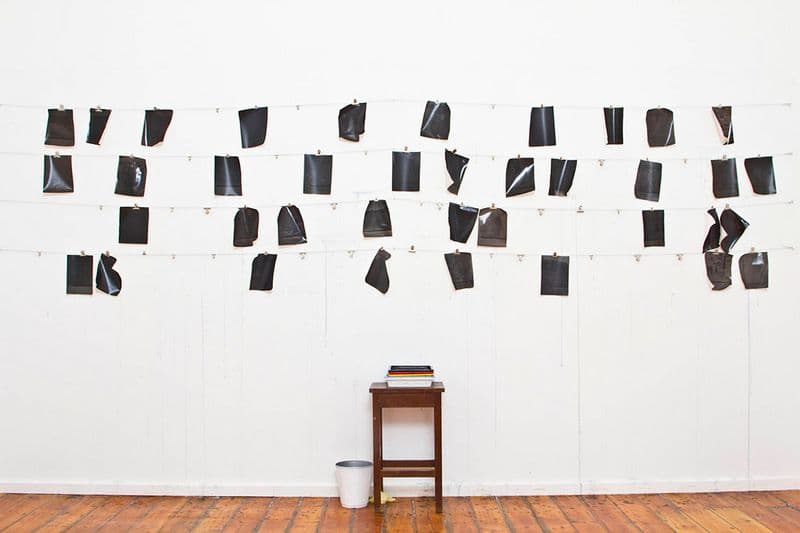
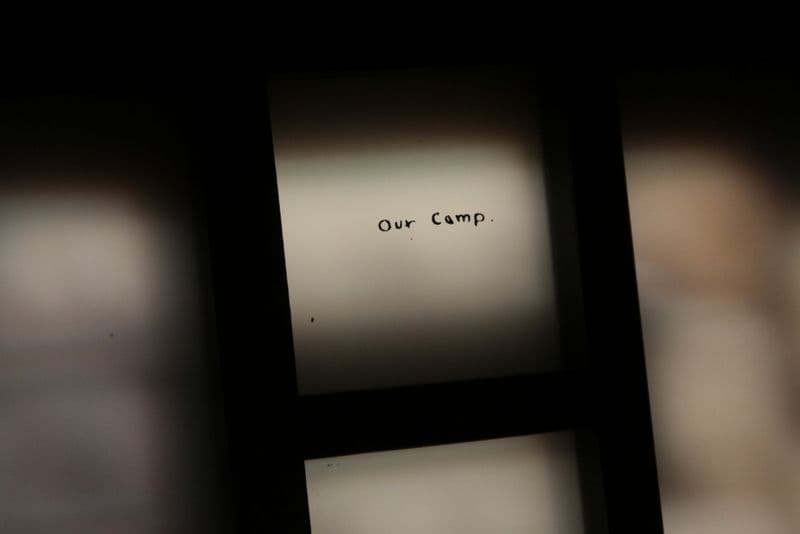
Dithugula tsa Malefokana - Parking Gallery
Etcetera! Etcetera! Somewhere in There You May Find a Story
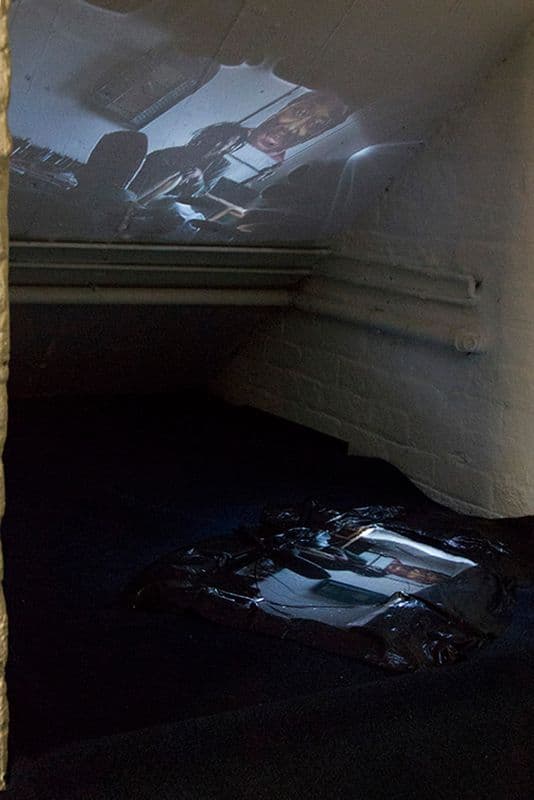
This project, presented as a series of three video works, acts as a reflective meditation on the intersection of artistic practice and anthropological inquiry. Filmed in a single setting, the piece adopts a hybrid style that blends the format of a "star date log," the informal tone of a wandering anthropological journal, and the classic cadence of 1980s BBC-style documentaries.
Born from a six-week research residency in Germany, the work began as an attempt to trace historical photographs from South Africa’s Bolobedu region—captured by Rev. Fritz Reuter of the Berlin Missionary Society—and uncover remnants of the 1897 "Transvaal exhibition," a colonial-era "human zoo." However, the project evolved when the artist found themselves immersed in the contemporary European art biennale circuit, encountering a different kind of spectacle.
In navigating these experiences, the artist posits the modern practitioner as a new kind of anthropologist—one who does not merely document, but mediates through the act of storytelling. By balancing the rigour of an anthropologist with the aesthetic sensibilities of an artist, this work explores the potential of anthropology as a medium itself. It invites the viewer into a reciprocal exchange, using the fluidity of story to bridge the gap between historical origins and present-day realities, ultimately questioning how we document the human experience.
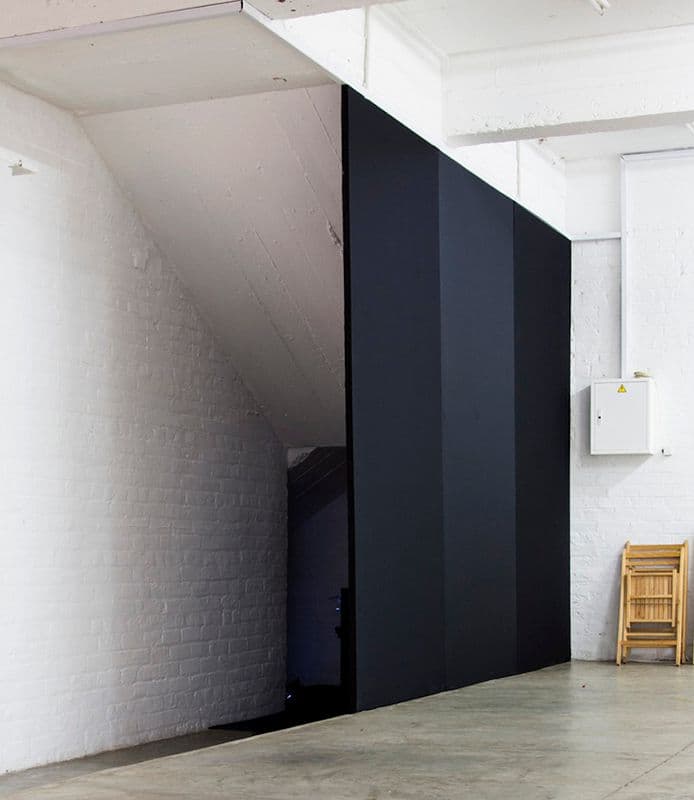
InBetween
InBetween features 25 photographic slides and objects, including postcards and annotated photographs. It depicted scenes from Christian-orientated communities in the late 19th century.
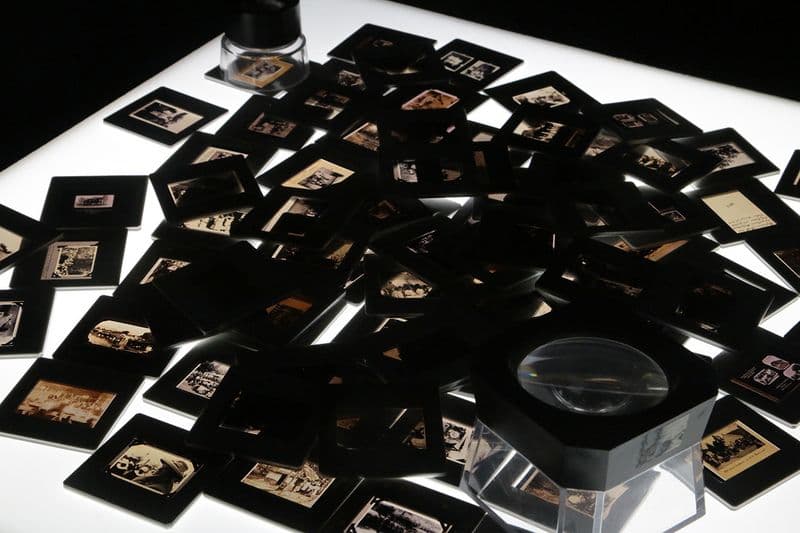
InBetween, 2014, installation view at Auf dem heiligen Berg Ethnographic Museum, Wuppertal, Germany
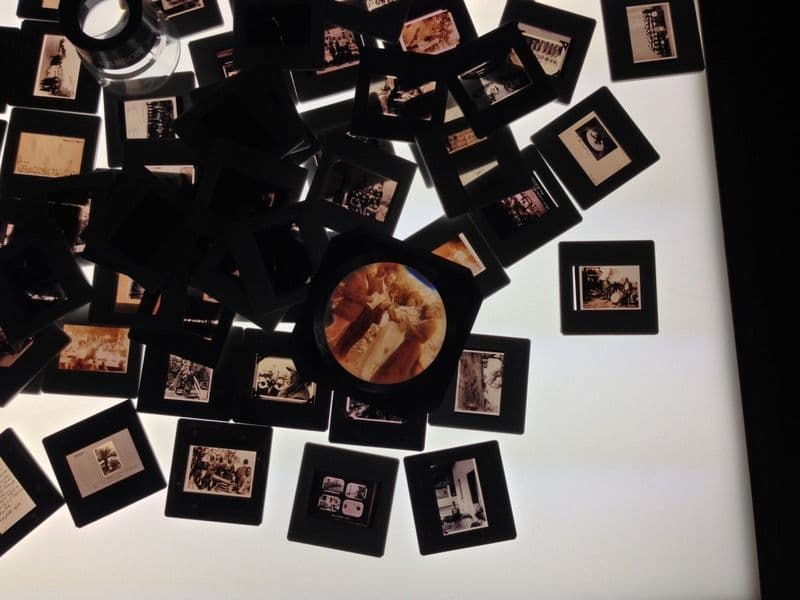
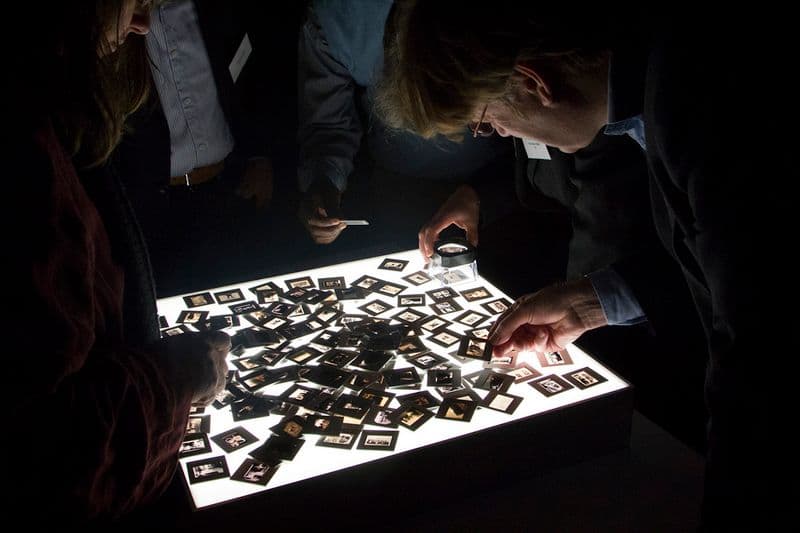
InBetween, 2015, installation view at the 10th Bamako Encounters, MaBareBare: Telling Time, Bamako