Modjadji le Dikolobjana
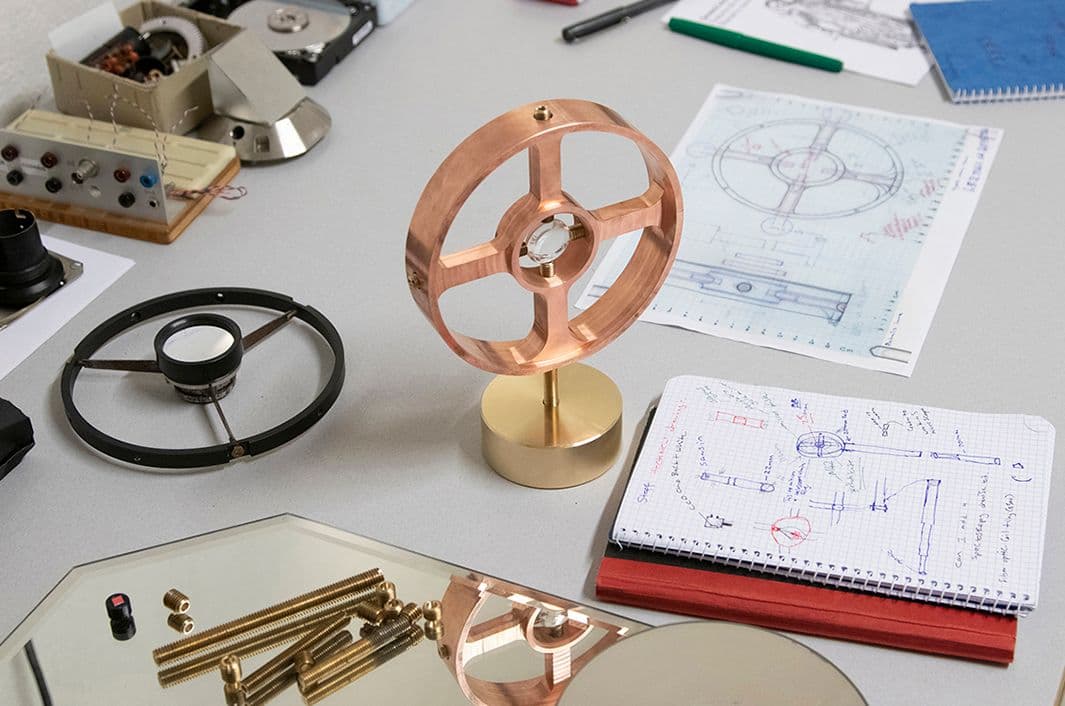
The Modjadji le Dikolobjana project originated during the 2018 Artists-in-Labs residency at the Geneva Observatory. It conceptually bridges the mythology of Modjadji—the Balobedu Rain Queen of Limpopo—with indigenous astronomical and environmental practices. George Mahashe currently serves as the convenor of the Connect South Africa residency programme, a collaboration between CERN, SARAO, SAAO, and Pro Helvetia, which continues to extend these inquiries into the intersections of science and culture.
As the title suggests, Modjadji le Dikolobjana (Modjadji/Venus in conjunction with Dikolobjana/Orion’s Belt) functions as an "unstable constellation" of works. This framework acknowledges that constellations are inherently subjective; much like the way Orion is reimagined through different cultural lenses, the project’s featured works are assembled to visualise Khelobedu cosmology. Each work operates as a star within this larger, fluid configuration, remaining open to diverse interpretations.
The constellation currently comprises four completed works, which have been presented across three exhibitions: Lerumo la Mutwa, Makhalaka, Masjogojo, and Malekhalo. In addition, the project includes two ongoing or partially exhibited works, Kherofo and Ditaola/dithaku.

Lerumo la Mutwa
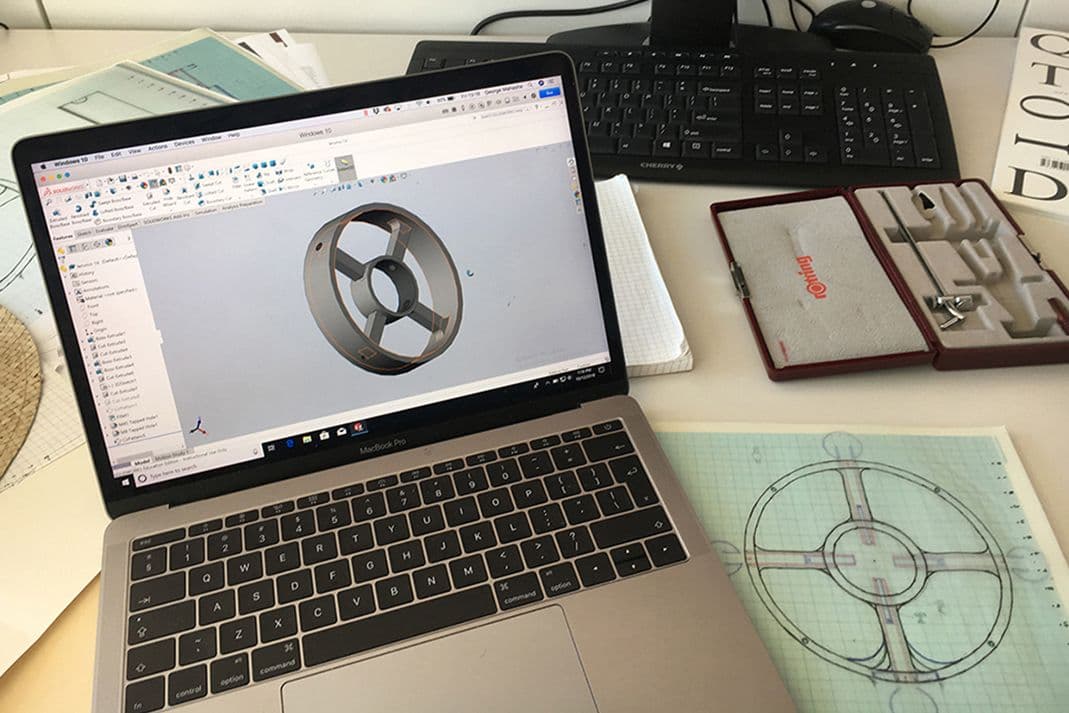
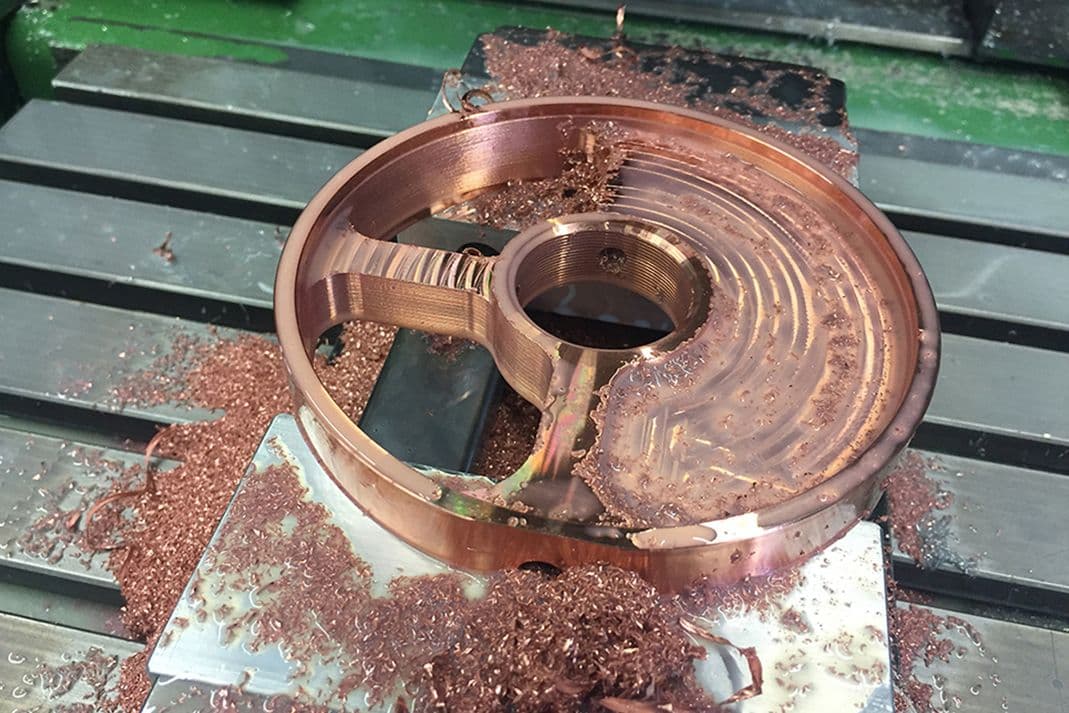
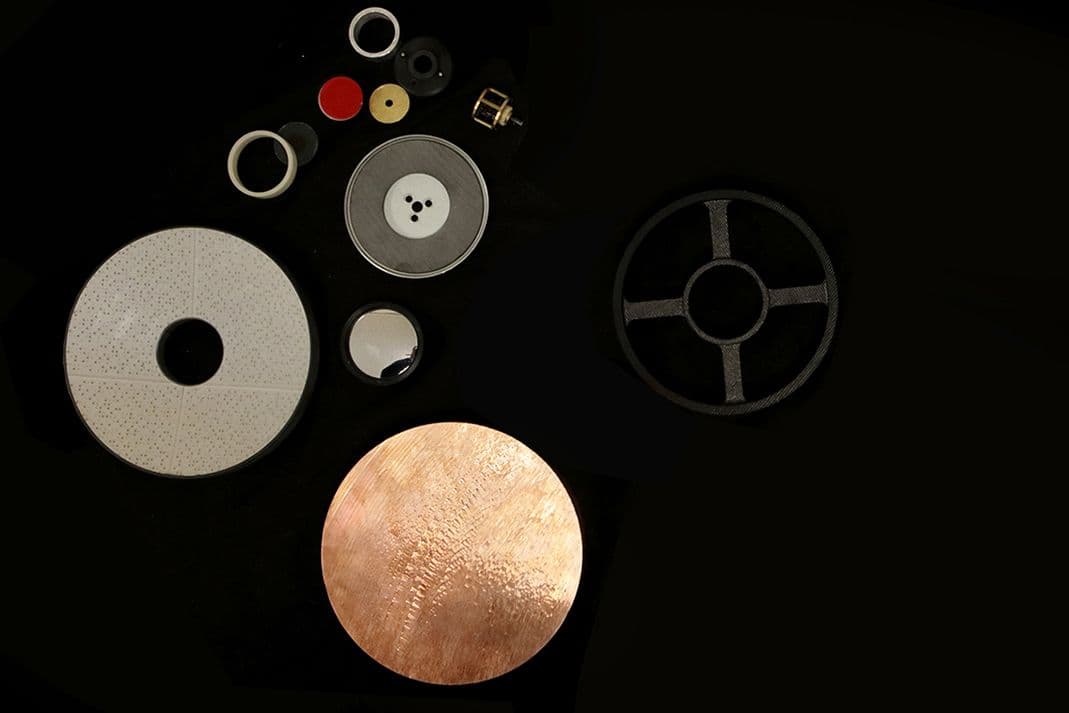
Lerumo la Mutwa (2018) is an art project and residency by Dr. George Mahashe. Conducted at the Geneva Observatory (Observatoire de Genève) in Switzerland, the project explored scientific instrumentation through the lens of Indigenous African knowledge systems, specifically those of the Khelobedu-speaking people of Limpopo, South Africa. Lerumo translates to "spear" or "arrow" in several African languages, serving here as a conceptual tool to examine, critique, and reimagine how scientific instruments process and capture information.
The research culminated in a concluding lecture/exhibition presentation at the Geneva Observatory on November 29, 2018, and was later documented as part of the Swiss Artists-in-Labs Program.
Makhalaka
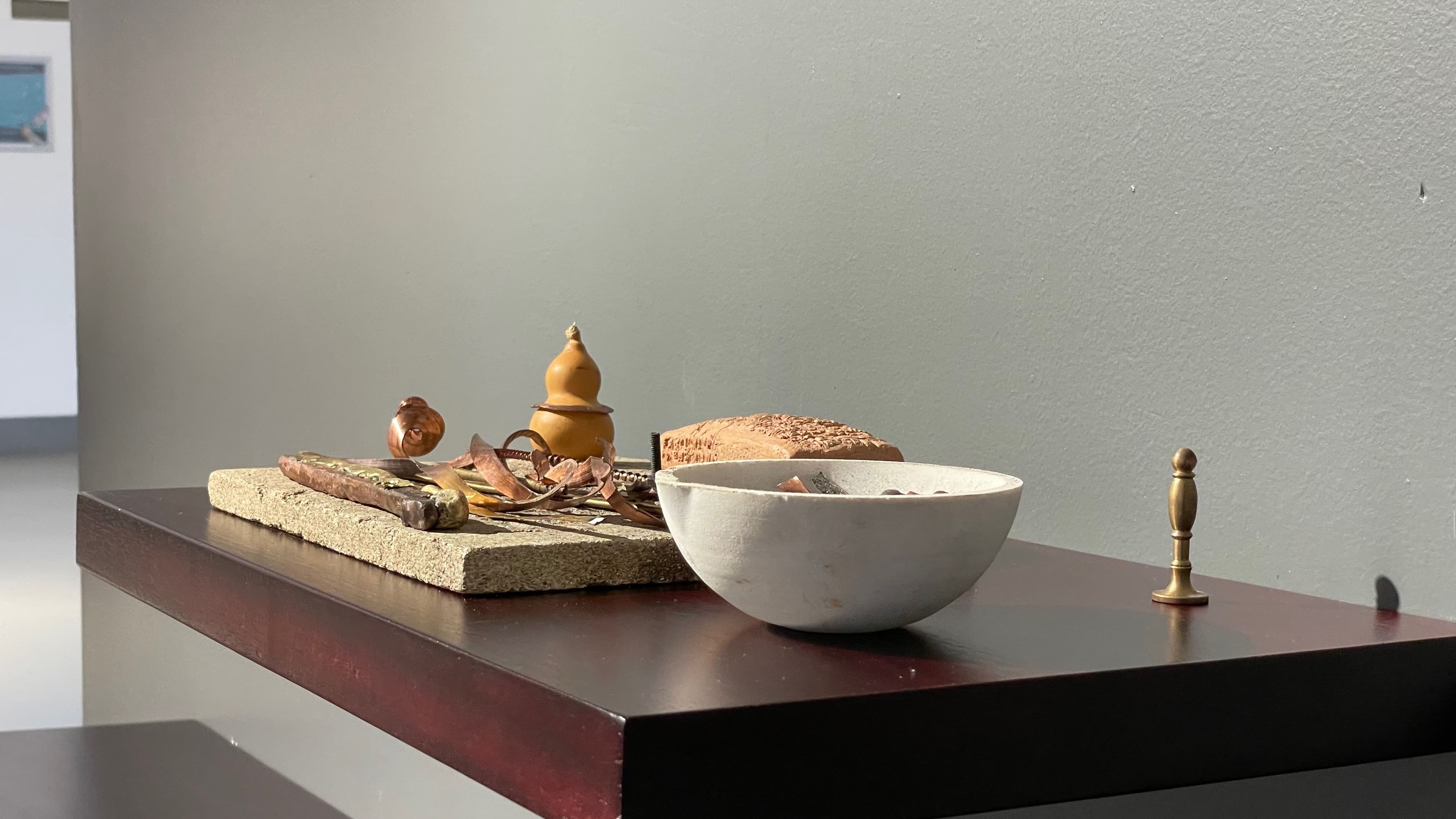
Makhalaka is a multidisciplinary research and artistic work that synthesises material inquiry with archival narrative. Mufhiri and Masjogojo are the constituent parts of the broader project Makhalaka, which investigates the materiality and archival potential of copper. This dual-layered work has been presented within the Javett-UP (University of Pretoria) context, where it finds critical resonance within the institution’s reimagining of itself as a public sanctuary and repository of collective knowledge.
Moving away from the fixity of the photograph—a central concern Mahashe’s Camera Obscura research—Makhalaka pivots toward materiality as a site of knowledge. Mufhiri and Masjogojo are the constituent parts of the broader project Makhalaka, which investigates the materiality and archival potential of copper. Mufhiri—the Khilovedu term for copper and brass—manifests as a collection of physical artefacts created through processes of smelting and shaping, exploring the "copper belt" traditions that span Southern Africa and the Democratic Republic of Congo. This material work is linked to Masjogojo, a notebook narrative that provides the textual and archival foundation for the project. the work resists the static nature of ethnographic collection. Instead, it facilitates an archive of practice—a collaborative repository produced in dialogue with the Waza Art Centre.
This dual-layered project has been developed and presented within the Javett-UP (University of Pretoria) context, where it finds critical resonance within the institution’s reimagining of itself as a public sanctuary and repository of collective knowledge. In the exhibition Interfacing New Heavens, the project contributes to a discourse on the entanglement of science and art, positioning copper as a material that carries its own technological intelligence and historical agency. Simultaneously, by engaging with the broader ethos of Handle with Care, the work challenges the institutional gaze of ethnographic museums. Through this synthesis of metal and text, Makhalaka reclaims the agency of the artist, moving beyond the expectation of representation toward a embodied and independent production of knowledge. It proposes that history is not merely something to be collected and displayed, but a material and intellectual process.
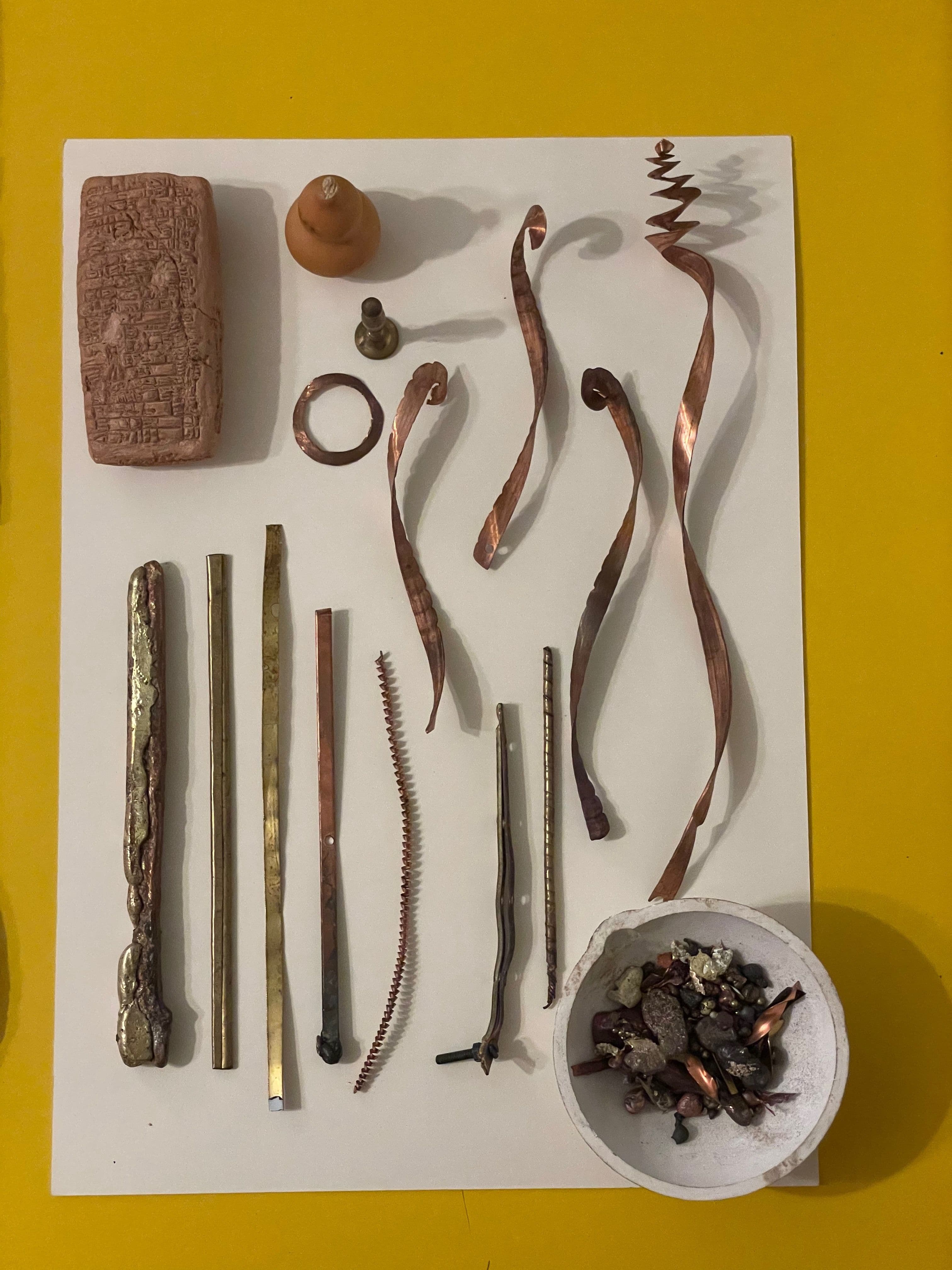
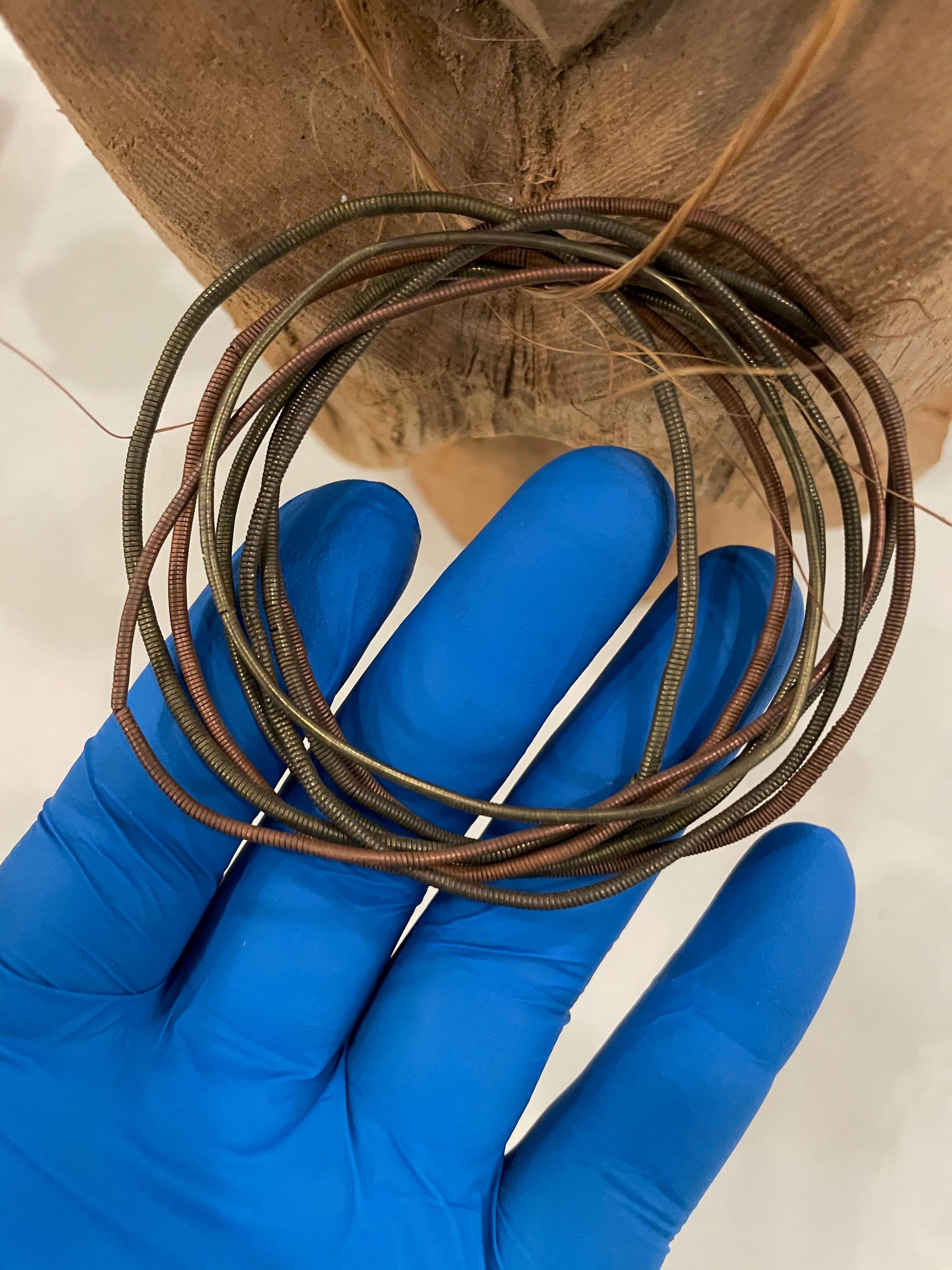
Mufhiri, the Khilovedu term for copper and brass, the work originated as an evolution of the Camera Obscura #7 Khephiri project, which was designed to critique the role of anthropology as an "easy gate" for contemporary African artists. By shifting from the photograph as a static research tool to an embodied experience of space, the project investigates how copper functions within Southern African divination practices and its wider historical links across the "copper belt," spanning from Southern Africa to the Democratic Republic of Congo. This work specifically seeks to challenge how African artists are instrumentalised by European institutions to address colonial histories. Advocating instead for self-representation that actively engages with, rather than merely buffers, these fraught institutional narratives.
The project prioritises collaborative knowledge production over traditional collecting by embracing non-human mobility, a response to pandemic-era travel restrictions that privileges the movement of goods and digital collaboration over physical presence. Working in partnership with Patrick Mudekereza and collaborators at the Waza Art Centre, the project functions through a multi-collaborator format that brings Southern African and Congolese copper traditions into dialogue. The outcome is a archive of practice —a living repository of artefacts, notes, references, and audio-visual material that preserves the collaboration and creates a usable resource for future artistic and scholarly research.

Lebitla la Ngaka
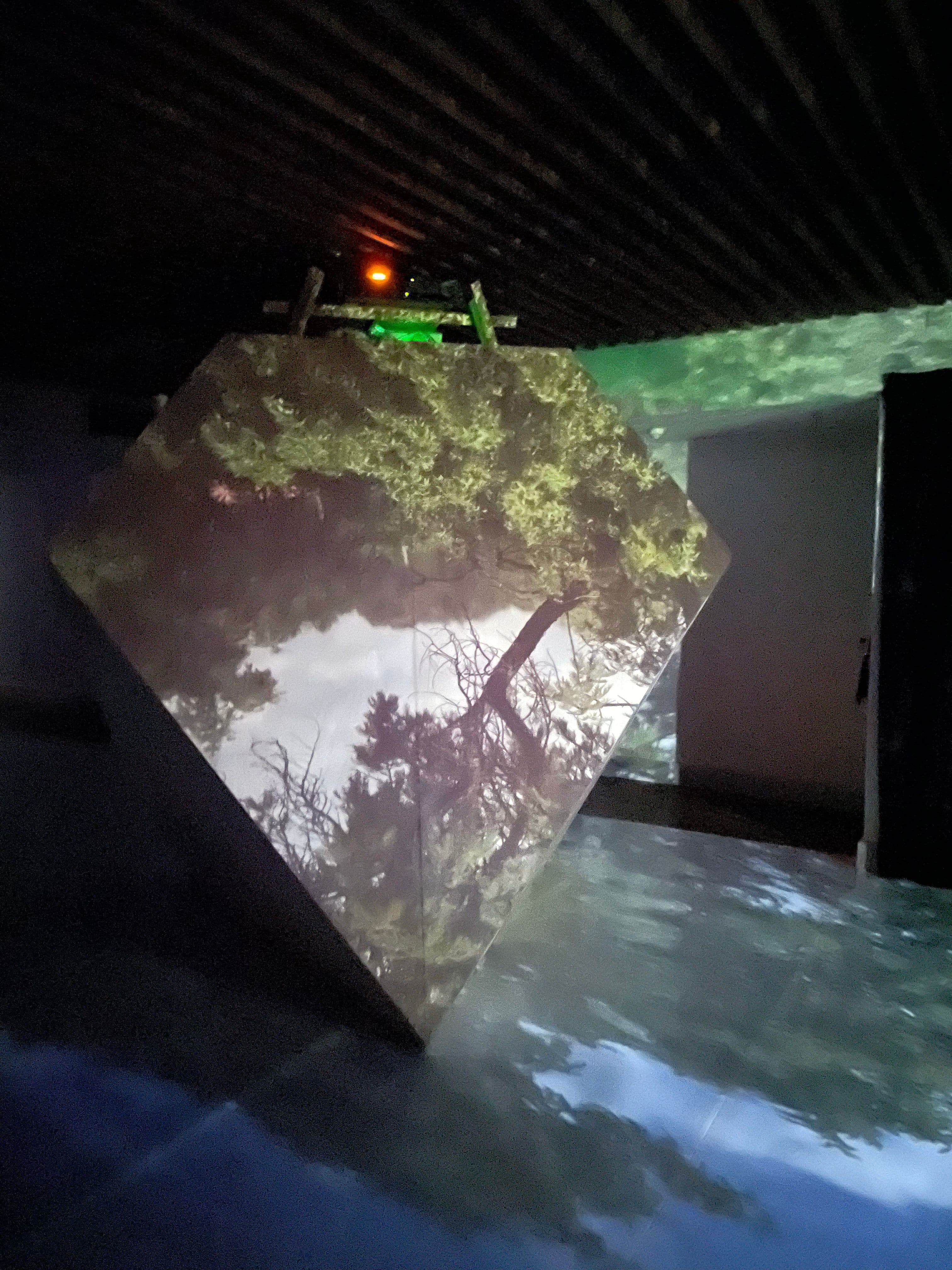
Mahashe’s 2022 Camera Obscura installation, Lebitla la Ngaka, was presented at the Javett-UP as part of the Interfacing New Heavens exhibition. The work extends the research inquiries of the Makhalaka project, which explores copper traditions across Southern Africa and the Democratic Republic of Congo in collaboration with the Waza Art Centre and artist Joseph Kasau. Accompanying the installation is Masjogojo—the notebook narrative originally developed to ground the Mufhiri artifacts—which has been adapted as a digital archive available at https://lebitla-la-ngaka.yolasite.com.
Online component available: https://javettup.art/news/lebitla-la-ngaka
Malekhalo
Presented as part of Interfacing New Heavens at Javett-UP as an experimental contemporary art and curatorial project that bridged the intersection of science, visual art, and Indigenous Knowledge Systems, specifically focusing on astronomy and indigenous interpretations of the cosmos. The project was a collaborative exhibition featuring South African artist Dr. George Mahashe and Swiss artist Vanessa Lorenzo. It was developed through residencies at the South African Astronomical Observatory (SAAO) in Cape Town and Sutherland.
The Dr. George Mahashe and Swiss artist Vanessa Lorenzo collaborated with astronomers and scientists, seeking to explore how different cultures understand the universe, merging modern scientific methods with indigenous astronomical knowledge and ancestral dreamscapes. The concept of Malekhalo is woven into research and writings surrounding Mahashe’s work in this exhibition. It explores indigenous, deep-seated ways of seeing, making sense of the land, celestial bodies, and localised cosmologies. Mahashe’s specific multimedia installations (including Lebitla la Ngaka) investigated alternative methodologies for how previously marginalised indigenous histories could be researched and presented, challenging traditional ethnographic museum frameworks
A collaboration between the Javett Art Centre at the University of Pretoria and the Artists-In-Labs program at Zurich University of the Arts. Interfacing New Heavens is supported by Pro Helvetia and Embassy of Switzerland in Pretoria, South Africa.
Kherofo
Kherofo is an ongoing, incomplete server archive project that functions as a technological framework for navigating complex systems. Initially presented as part of the Lebitla la Ngaka installation within the Interfacing New Heavens exhibition, the project utilises a series of digital and conceptual technologies to explore the mechanics of divination. It posits that the use of technology can "figure out" complex phenomenological data—specifically by drawing parallels between the data-processing capacity of a server and the diagnostic capabilities of indigenous knowledge systems.
A vital component of Kherofo is the figure of the planet Venus, which is associated with Modjadji and Nehanda. Within the project’s cosmology, these figures operate as arbitrators of power, consulted in dark, inaccessible caves where their guidance is heard only as a voice. In the Lebitla la Ngaka installation, this dynamic is brought to life through the interaction between the Malekhalo (ascension hut) and Kherofo. This interplay replicates the process of asking an "unseen figure" to determine the future of leadership, bridging the gap between historical political structures and contemporary technological inquiry.
For more on the work, please visit the website https://www.ellipses.org.za/article/kherofo